Industry·
AI‑Driven Formulation Boosts Heat Stability of RNA Vaccines
MIT researchers used an AI algorithm to redesign lipid nanoparticle coatings, enabling RNA vaccines to stay potent at room temperature for extended periods.
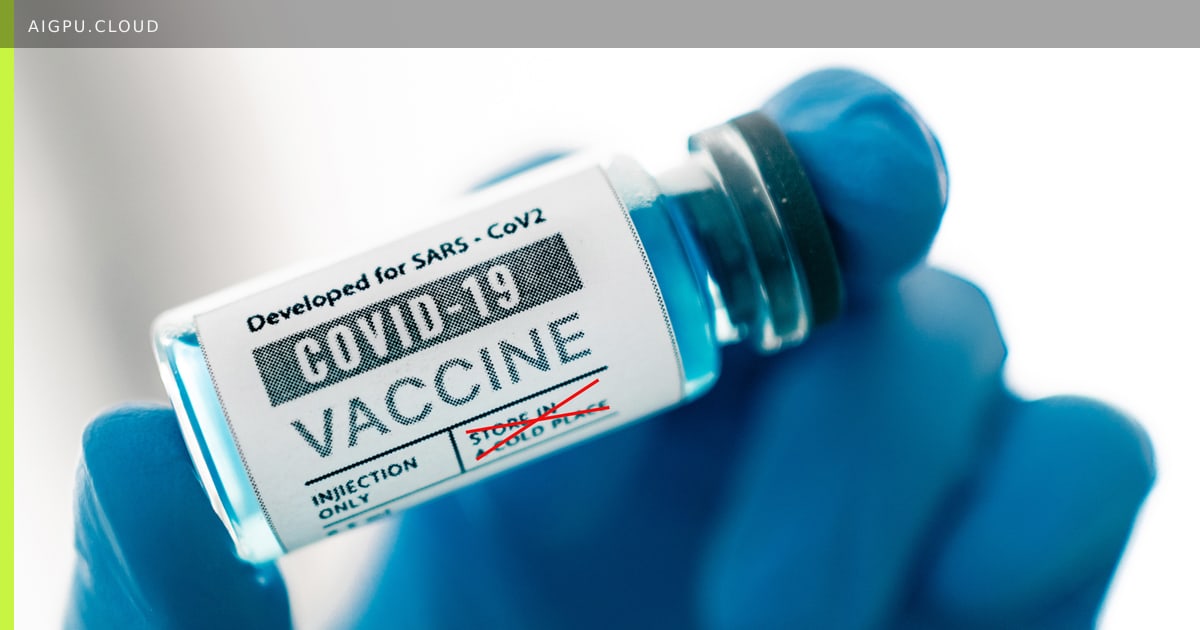
Engineers at MIT have tackled one of the biggest logistical hurdles for RNA‑based vaccines: the need for ultra‑cold storage. By feeding limited experimental data into an AI model, they predicted lipid‑nanoparticle formulations that resist heat degradation.
How the AI‑guided design works
The algorithm explores countless chemical variations of the nanoparticle shell, identifying combinations that keep the encapsulated RNA intact even when exposed to temperatures near 38°C for two months or to ambient conditions for up to a year.
In mouse trials, vaccines produced with the optimized nanoparticles triggered immune responses comparable to those of standard Moderna‑style COVID‑19 shots, confirming that stability does not come at the cost of efficacy.
Why it matters for GPU / AI infrastructure: The workflow showcases how modest GPU‑accelerated models can slash the number of wet‑lab iterations, accelerating product pipelines for biotech firms that rely on high‑throughput AI simulations.
- aigpu
- ai gpu
- ai gpu cloud
- aigpu dubai
- rna vaccine
- lipid nanoparticles
- ai formulation
By AiGpu Editorial · Editorial rewrite based on public reporting (MIT News AI)
← All articles