Industry·
Apate.ai Deploys AI Agents Undercover to Turn the Tables on Fraudsters
Australian startup Apate.ai runs thousands of AI personas that bait scammers across calls, messages, and email — wasting 17 years of fraudster time and harvesting actionable intelligence for banks, telcos, and governments.
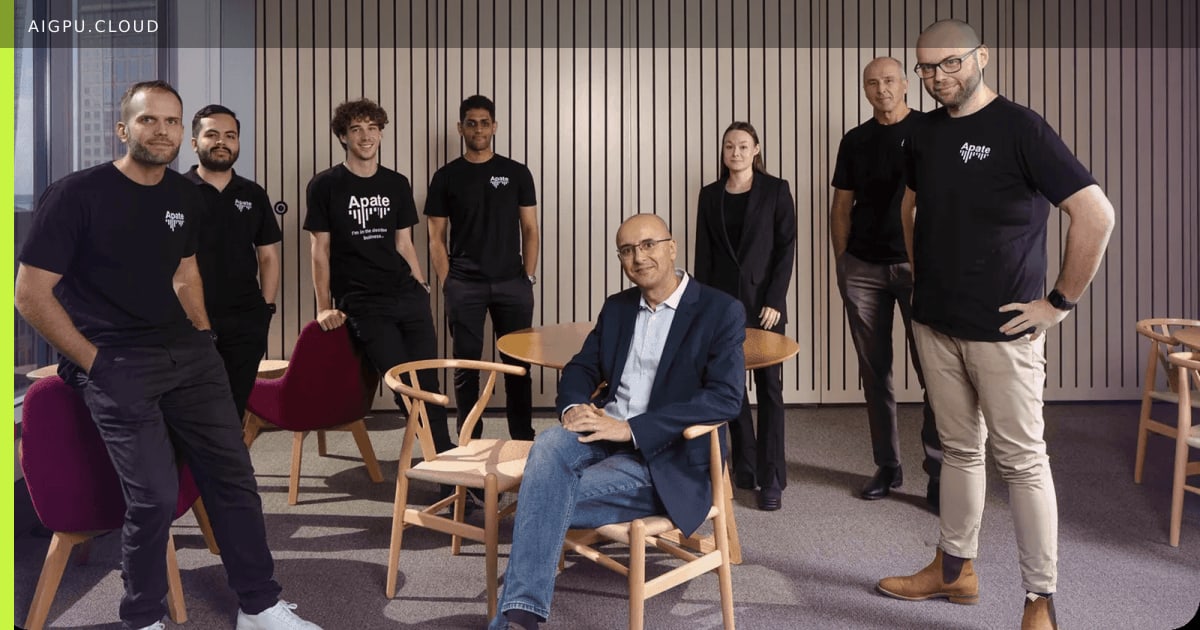
Most AI agents today accelerate product delivery or automate workflows. Apate.ai, a Sydney‑born startup spun out of Macquarie University research, takes a different tack: it sends fleets of synthetic personas undercover to get scammed on purpose. These agents answer fraudulent calls, reply to phishing emails, click malicious links, and infiltrate social‑media groups — adopting diverse ages, accents, and languages to keep criminals engaged.
Since its 2024 launch, the company claims its agents have logged 2.5 million conversations, consuming an estimated 17 years of scammer time. More critically, they extract hard intelligence — bank accounts, crypto wallets, phone numbers, spoofed brand identities, and malicious infrastructure — that defenders normally only see after a victim has already lost money. Apate feeds this data to banks, telecom operators, government agencies, and utilities so they can block threats proactively.
Why it matters for GPU / AI infrastructure
Running thousands of concurrent, multilingual agents that process real‑time voice, text, and web interactions demands massive inference capacity and low‑latency GPU clusters. As adversarial AI scales — evidenced by the FBI’s 22,000+ AI‑related crime complaints and $893 million in losses for 2025 — the compute arms race shifts from training to high‑throughput, always‑on inference. Apate’s architecture illustrates how specialized GPU clouds become essential infrastructure for defensive AI at scale.
The idea originated when founder Dali Kaafar kept a scammer on the line for 44 minutes at a family picnic, realizing every wasted minute protected a potential victim. That insight drove years of NLP and machine‑learning research at Macquarie, culminating in a platform that now converses with tens of thousands of fraudsters daily across voice, messaging, email, and the web. Co‑founder Brad Joffe sums up the shift: “Most of the industry works after the fact. We go to the scammer directly and get the information before anyone gets hurt.”
- aigpu
- ai gpu
- ai gpu cloud
- aigpu dubai
- fraud detection
- ai agents
- cybersecurity
- gpu infrastructure
By AiGpu Editorial · Editorial rewrite based on public reporting (TechCrunch AI)
← All articles