Research·
AI Models Astra and Opus Decode Long‑Lost Enigma Messages
Researchers used OpenAI’s Astra and Anthropic’s Opus to break two previously unsolved Enigma ciphertexts, demonstrating how large language models can assist historical cryptanalysis.
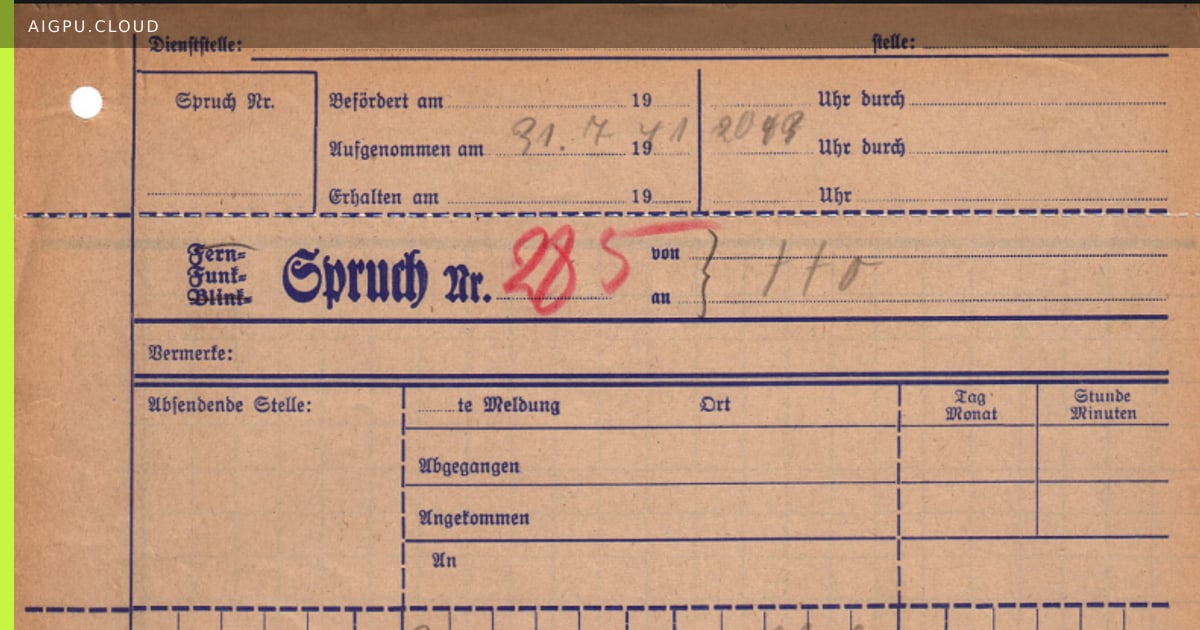
Two independent teams turned to state‑of‑the‑art language models to tackle Enigma messages that have resisted decryption for years.
How Astra approached the puzzle
Developer Carter Leffen instructed OpenAI’s Astra to scan an archive of intercepted wartime transmissions for any entry without a known plaintext. The model performed its own background research, reconstructed a virtual Enigma machine, and used contextual clues to recover the original text of a message that had lingered unsolved since 2005. Leffen also asked Astra to generate an interactive walkthrough that explains each step of the process.
Opus tackles a second cipher
Shortly after, cybersecurity executive Jack Willis guided Anthropic’s Opus 5 toward a different unsolved Enigma fragment. By supplying the known name of a German radio operator as a hint, Willis enabled the model to narrow the rotor settings and reveal the hidden message. Opus 5’s logs show it consulted auxiliary historical sources, mirroring the workflow of a human cryptanalyst.
Why it matters for GPU / AI infrastructure: These experiments highlight how large models, when run on modern GPU clusters, can accelerate niche scientific tasks that traditionally demand weeks of expert labor. The ability to combine language reasoning with simulated hardware opens new avenues for AI‑assisted research in fields ranging from cryptography to archival science.
- aigpu
- ai gpu
- ai gpu cloud
- aigpu dubai
- ai
- enigma
- llm
- gpu
- cryptanalysis
- research
By AiGpu Editorial · Editorial rewrite based on public reporting (TechCrunch AI)
← All articles