Industry·
AI Models Show Promise in COBOL Migration Challenge
OpenAI reports significant gains in translating legacy COBOL systems to modern languages, a breakthrough that could reshape critical infrastructure modernization.
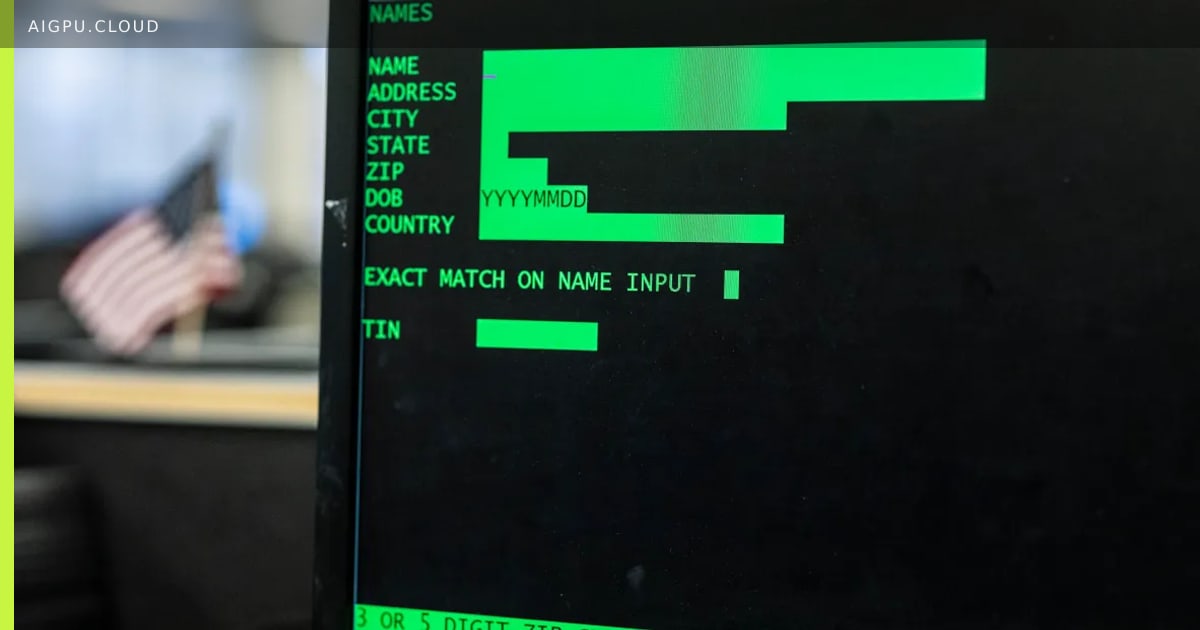
Critical infrastructure worldwide still runs on COBOL, a language designed in 1959. Banks, tax agencies, and airlines depend on millions of lines of code that few living engineers fully understand. The cost of maintaining these systems, measured in both risk and dollars, has long been a strategic headache for CIOs.
New Benchmarks Suggest a Turning Point
OpenAI's latest internal tests show its GPT-6.1 Sol model achieving 87 percent behavior-preservation accuracy on COBOL-to-modern-language migration at low reasoning effort, rising to 98 percent when allowed deeper computation. Target languages include C++, Java, Kotlin, Python, and Rust. The company stresses that a migration counts as successful only when all original tests pass, a strict standard for production workloads.
Previous AI coding assistants have stumbled on legacy codebases because they lack context about obscure business rules, undocumented data structures, and the quirks of decades-old compilers. The reported improvement suggests larger context windows and stronger reasoning capabilities are finally addressing those gaps.
Why it matters for GPU / AI infrastructure: High-reasoning migration workloads demand sustained, high-memory GPU clusters. Organizations planning large-scale legacy modernization will need predictable, scalable compute — exactly the capacity profile AiGpu's cloud is built to deliver.
- aigpu
- ai gpu
- ai gpu cloud
- aigpu dubai
- cobol migration
- legacy modernization
- ai coding
- infrastructure
By AiGpu Editorial · Editorial rewrite based on public reporting (The Verge AI)
← All articles