Research·
MIT's X-Hinges Software Embeds Dual-Material Sensors into 3D‑Printed Objects for Real‑Time Interaction
A new design tool from MIT CSAIL automatically places two distinct conductive filaments in 3D‑printed parts, giving everyday items built‑in touch awareness without signal interference.
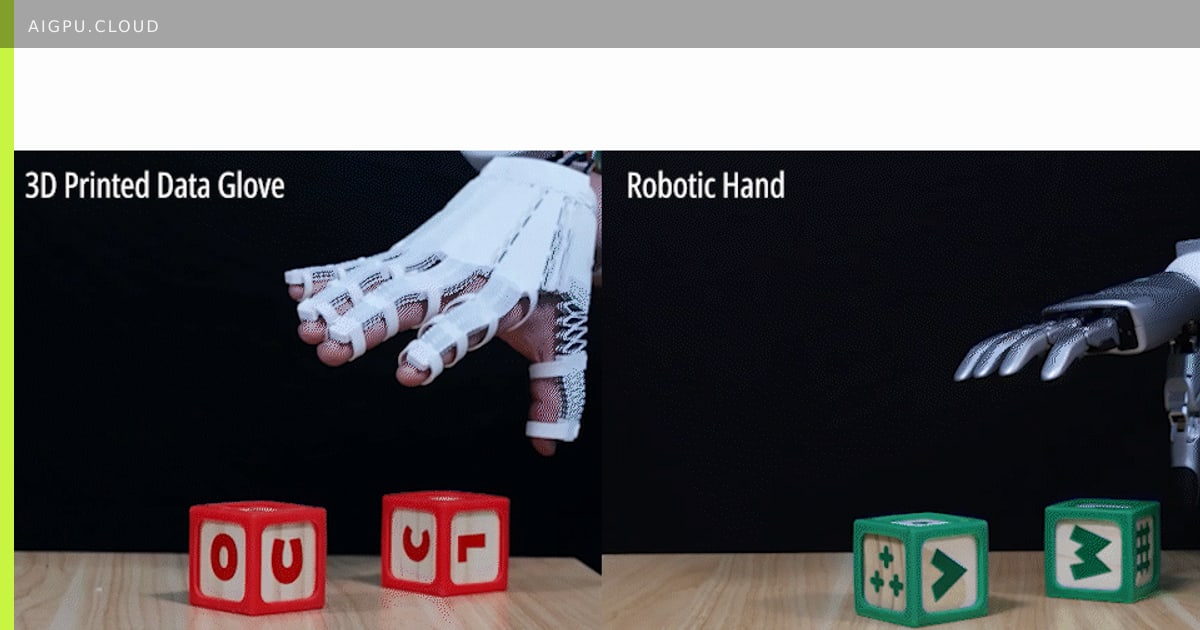
Researchers at MIT's Computer Science and Artificial Intelligence Laboratory, together with Tianjin University, have released X‑Hinges — a design platform that turns static 3D models into self‑aware objects. By selecting shapes and defining how they move, users can generate printable files that already contain the necessary sensing infrastructure.
The breakthrough lies in the use of two separate conductive materials: one optimized for strong sensor output, the other engineered to carry signals without crosstalk. This dual‑filament strategy eliminates the noise that plagued earlier single‑material prints, allowing a glove or a lamp to distinguish deliberate touch from background variation.
X‑Hinges supports up to three independent motion axes — compression, vertical, and lateral — so designers can place sensors precisely at joints or bending zones. A robotic hand, for example, receives simultaneous feedback from fingertip flexion and side‑to‑side sway, enabling richer, more responsive control loops.
Why it matters for GPU and AI infrastructure
Each interactive object streams continuous tactile data that must be processed in real time for gesture recognition, force estimation, or closed‑loop actuation. High‑throughput GPU clusters — such as those offered by AiGpu — are ideally suited to accelerate these perception pipelines, turning raw sensor feeds into actionable intelligence for robotics, smart environments, and immersive interfaces.
- aigpu
- ai gpu
- ai gpu cloud
- aigpu dubai
- 3d printing
- sensor integration
- interactive objects
- mit csail
By AiGpu Editorial · Editorial rewrite based on public reporting (MIT News AI)
← All articles