Industry·
Voters Reject Data‑Center Expansion in 2026 Midterms
Midterm results show a broad backlash against data‑center growth, with candidates opposing new facilities winning key races and voters citing energy, noise and AI concerns as decisive factors.
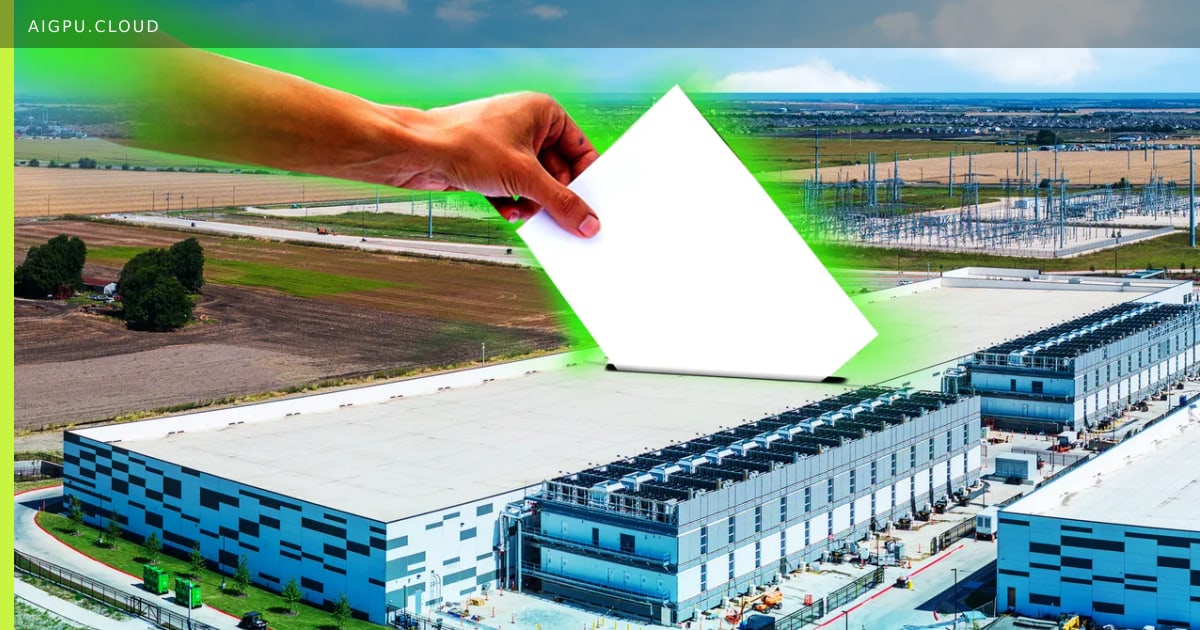
The 2026 midterms delivered a clear signal: large‑scale data‑center projects are becoming a political liability. In Ohio, Senator Sherrod Brown turned anti‑data‑center messaging into a Senate flip, while New Hampshire’s Chris Pappas drew loud opposition to the sector even though the state has no major builds underway.
Two Republican incumbents branded “Data Center Derek” and “DC Derrick” lost House seats in Ohio and Wisconsin, and a quarter of voters told NBC News that data‑center policy was “crucial” to their choice. Nearly two‑thirds said it was at least a minor factor.
Why it matters for GPU / AI infrastructure
Governors in Georgia, Texas and Kansas campaigned on moratoriums and stricter regulation, threatening hundreds of planned facilities in the two biggest U.S. hubs. Analysts expect an end to generous tax breaks, tighter environmental enforcement and new regulatory scrutiny that could slow the rollout of the massive GPU clusters powering today’s AI workloads.
Even candidates who attacked opponents for supporting data centers sometimes lost, showing that a simple “anti‑data‑center” stance isn’t a guaranteed win. The electorate’s concern spans energy consumption, local noise, water use and the broader societal impact of AI‑driven compute.
- aigpu
- ai gpu
- ai gpu cloud
- aigpu dubai
- data centers
- election 2026
- energy policy
- infrastructure
By AiGpu Editorial · Editorial rewrite based on public reporting (Wired AI)
← All articles