Industry·
US Tightens AI Chip Controls Amid Nvidia Leadership Scandal
New White House rules target remote GPU access and suspected smuggling routes through Southeast Asia, arriving days after Nvidia's cofounder resigned over an affair linked to a Chinese businesswoman with alleged intelligence ties.
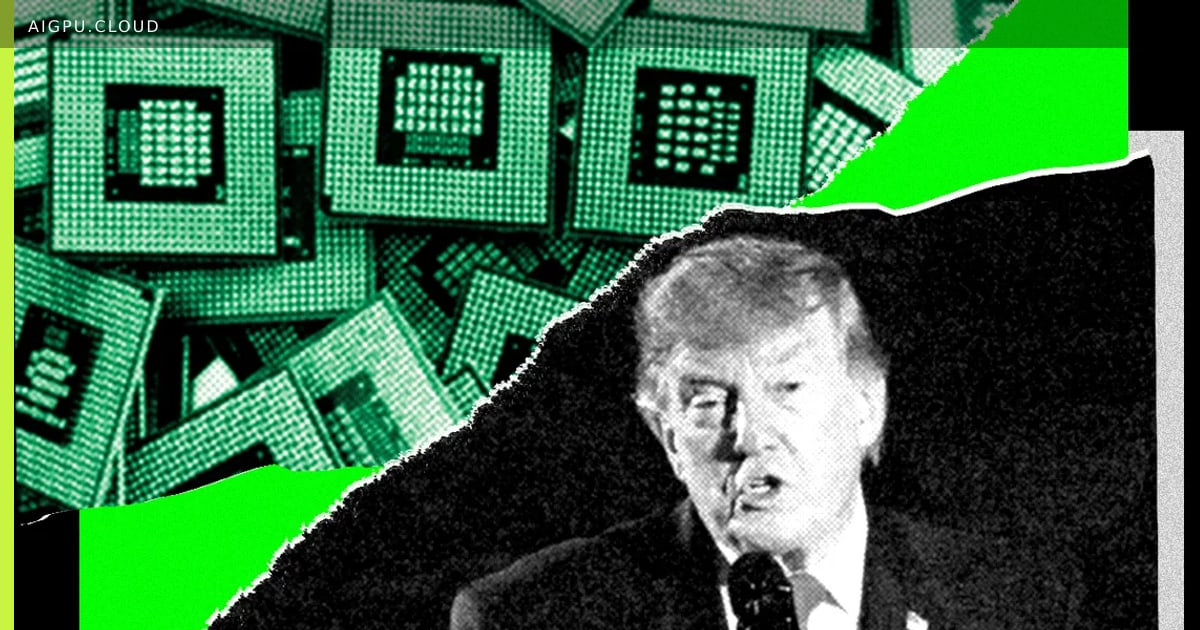
The Trump administration this week unveiled stricter export controls aimed at closing loopholes that let Chinese firms rent advanced AI compute from overseas data centers. Under the new framework, foreign providers offering large-scale GPU capacity to entities in China must secure special licenses, adding compliance overhead for cloud operators and their customers.
Parallel measures tighten shipments to five jurisdictions — including Singapore and Malaysia — where US officials believe significant volumes of controlled semiconductors have been diverted. The rules build on the Biden-era restrictions from 2022 but expand the enforcement perimeter beyond direct exports to cover remote access and third-country transshipment.
Why it matters for GPU / AI infrastructure
For infrastructure buyers and operators, the changes signal a shift from list-based entity controls to capacity-based licensing. Data centers in neutral hubs now face audit requirements, usage reporting, and potential capacity caps when serving Chinese workloads. This raises operational costs and may fragment the global GPU rental market into compliant and non-compliant tiers.
The timing is notable. The announcement followed the abrupt resignation of Nvidia cofounder Jensen Huang after he acknowledged a personal relationship with Alice Huang, a Chinese businesswoman previously employed at Singapore-based Megaspeed — a firm suspected of facilitating chip smuggling and remote GPU access. While the White House denies a direct link, the episode has intensified political pressure to demonstrate enforcement rigor.
Expect further guidance on license thresholds, verification mechanisms, and penalties for non-compliance. Companies building or procuring AI clusters should review their data-center partnerships, geographic exposure, and contractual safeguards against regulatory disruption.
- aigpu
- ai gpu
- ai gpu cloud
- aigpu dubai
- export controls
- nvidia
- china
- semiconductors
By AiGpu Editorial · Editorial rewrite based on public reporting (Wired AI)
← All articles