Policy·
US-China AI Communication Framework Faces Delays
Efforts to establish a direct communication channel between the US and China regarding AI-related national security concerns are encountering hurdles, with a finalized agreement not expected in the immediate future.
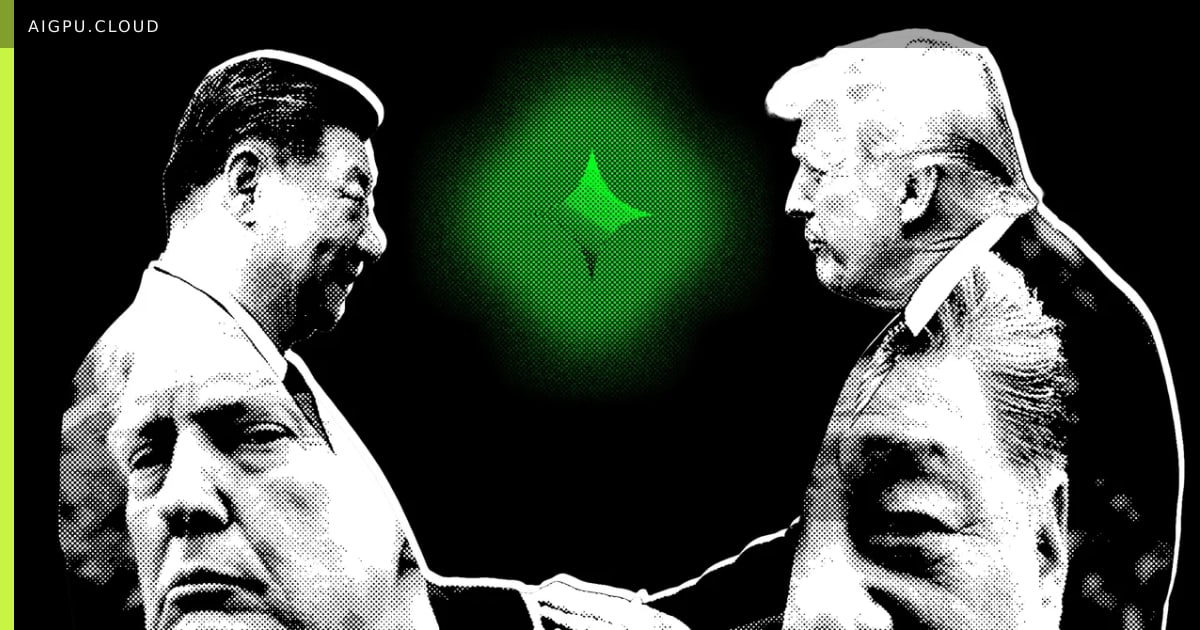
US-China AI Communication Framework Faces Delays
Discussions between the United States and China regarding a proposed AI notification system, intended to mitigate national security risks, are progressing slower than initially anticipated. While high-level talks have taken place, including a recent meeting between US Treasury Secretary Scott Bessent and Chinese Vice Premier He Lifeng, the implementation of a functional system is still several weeks away.
The primary challenges involve defining the specific criteria for what constitutes an AI-related national security incident requiring notification, as well as securing explicit commitment from China. US officials are aiming for a foundational framework to be established before the next bilateral meeting in Shenzhen.
This initiative reflects a growing international recognition of the need for structured communication as advanced AI capabilities continue to evolve rapidly. The parallels drawn to the Cold War-era hotline with Moscow underscore the perceived criticality of preventing unintended escalation or misunderstanding stemming from AI advancements.
Further complicating the timeline is the ongoing debate within the US administration regarding the appointment of an "AI Czar" to lead interagency coordination on AI policy. Several prominent figures are reportedly under consideration for this crucial role, which would likely influence the pace and direction of such diplomatic efforts.
Why it matters for GPU / AI infrastructure
The establishment of clear international protocols for AI, even if delayed, is critical for the long-term stability and growth of the GPU and AI infrastructure sector. Predictable regulatory environments and mechanisms for de-escalation reduce geopolitical uncertainty, which in turn encourages sustained investment in advanced hardware and data center development. A lack of such frameworks could lead to more fragmented development, increased export controls, and potentially higher risks for global AI supply chains, impacting the availability and cost of essential components like high-performance GPUs.
- aigpu
- ai gpu
- ai gpu cloud
- aigpu dubai
- us-china relations
- ai policy
- national security
- gpu industry
- ai infrastructure
- diplomacy
By AiGpu Editorial · Editorial rewrite based on public reporting (Wired AI)
← All articles