Policy·
UN Talks Stall on Binding Rules for Autonomous Weapons
Diplomats in Geneva failed to agree on legally binding regulations for killer robots, settling only on a two‑year window for voluntary proposals.
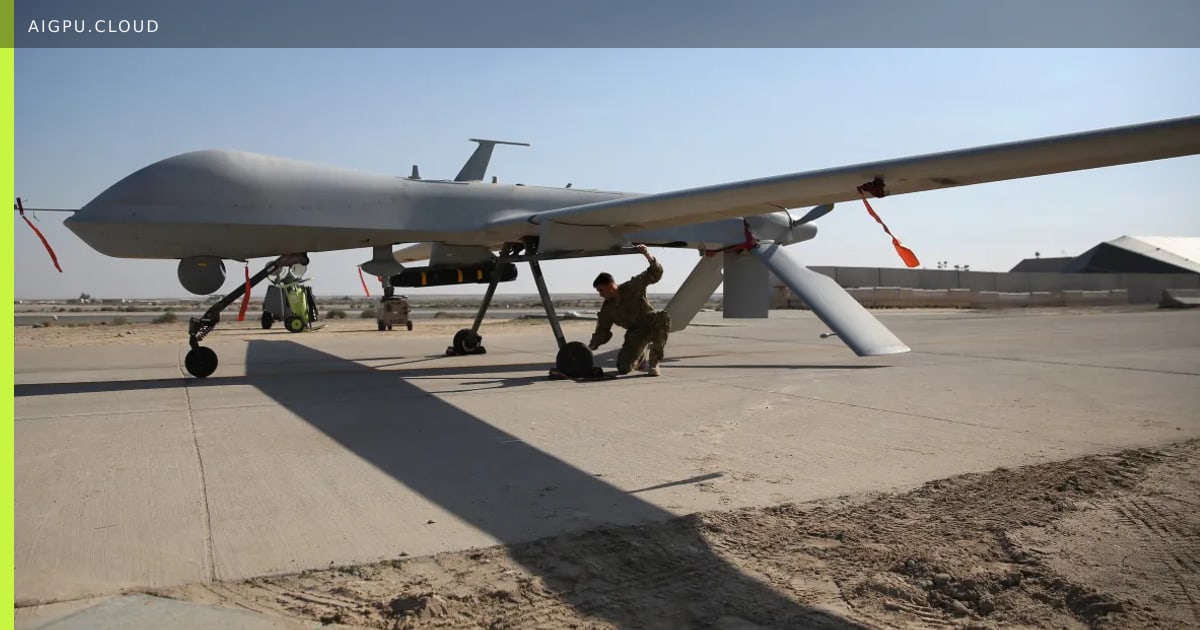
After a week of negotiations in Geneva, United Nations delegates could not reach consensus on a treaty that would restrict the development and deployment of fully autonomous weapons. The only outcome was an agreement to “start discussing options,” giving nations two years to submit non‑binding proposals.
Humanitarian groups and several states had pushed for a legally binding framework within twelve months, citing civilian casualties from semi‑autonomous drones in Ukraine, Gaza, and Sudan. However, major military powers — notably Russia, Israel, and the United States — blocked progress, with the U.S. proposing a five‑year timeline for optional guidelines.
Why it matters for GPU / AI infrastructure
The deadlock signals continued demand for high‑performance AI compute in defense programs that pursue autonomous targeting and decision‑making. As nations invest in next‑generation weapon systems, the need for scalable GPU clusters and secure cloud inference platforms grows, creating both opportunity and responsibility for providers like AiGpu.
Until an international regime materializes, the market for AI‑accelerated defense workloads will likely expand unchecked, underscoring the importance of transparent governance and ethical procurement policies across the hardware supply chain.
- aigpu
- ai gpu
- ai gpu cloud
- aigpu dubai
- autonomous weapons
- un regulation
- defense ai
- policy
By AiGpu Editorial · Editorial rewrite based on public reporting (The Verge AI)
← All articles