Industry·
Texas Data Center Boom Risks Reversing Decades of Air Quality Progress
A new Houston Advanced Research Center report warns that planned data centers in Texas could triple soot pollution and increase smog-forming emissions by 136% unless developers prioritize onsite renewables over gas turbines.
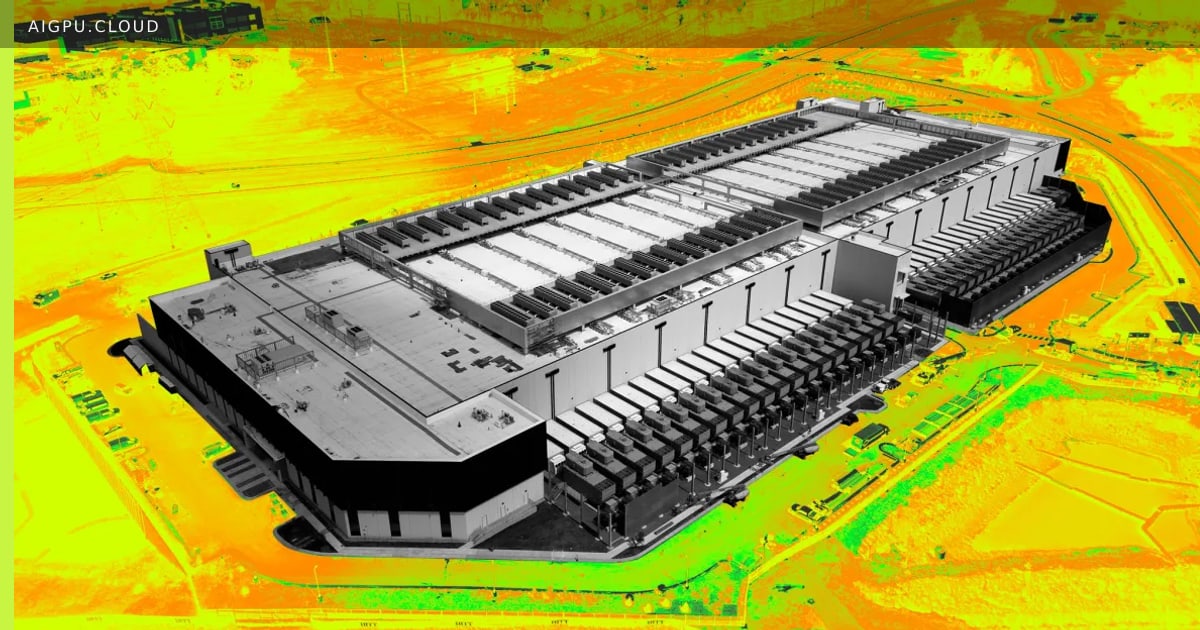
A new study from the Houston Advanced Research Center (HARC) models the air quality impact of Texas' rapidly expanding data center fleet. If all proposed projects connect to the grid using the anticipated generation mix, fine particulate pollution from the power sector would more than triple by 2030, reaching levels last seen in 2006. Nitrogen oxide emissions — a key smog precursor — would surge 136%, nearing 2004 levels, while carbon dioxide output would climb 90% above 2025 baselines.
The report outlines three demand scenarios, but even the moderate case shows significant backsliding. Texas already leads the nation with 26 GW of existing and under-construction data center capacity, and Wood Mackenzie notes the state faces four times more proposed behind-the-meter generation than any other state. Developers increasingly turn to less efficient gas turbines to avoid lengthy grid interconnection queues, a choice that locks in higher emissions for years.
Why it matters for AI infrastructure
For GPU cloud operators and AI hardware buyers, the findings underscore a critical procurement criterion: the carbon and criteria pollutant intensity of the electricity powering their workloads. Facilities that pair grid supply with onsite solar and wind can cut NOx emissions up to tenfold compared to gas-only configurations. Selecting colocation partners with verified renewable procurement or behind-the-meter clean generation directly reduces the environmental footprint of large-scale model training and inference.
Policy signals are also shifting. As regulators scrutinize data center energy permits, projects with robust decarbonization plans will face fewer delays and lower compliance costs. Forward-looking infrastructure decisions today — whether building new capacity or signing long-term power purchase agreements — will determine whether the AI boom accelerates the clean energy transition or deepens reliance on fossil generation.
- aigpu
- ai gpu
- ai gpu cloud
- aigpu dubai
- data centers
- air pollution
- renewable energy
- texas
By AiGpu Editorial · Editorial rewrite based on public reporting (The Verge AI)
← All articles