Industry·
TechCrunch Disrupt 2026: Deep Dive into Breakout Sessions & Future Directions
Explore the comprehensive agenda of TechCrunch Disrupt 2026 in San Francisco, featuring strategic breakout sessions that tackle pressing challenges in physical AI, AI agent orchestration, trustworthy system design, and the emerging inference economy. These discussions offer actionable insights for engineers and decision-makers navigating the rapid evolution of AI hardware and cloud infrastructure.
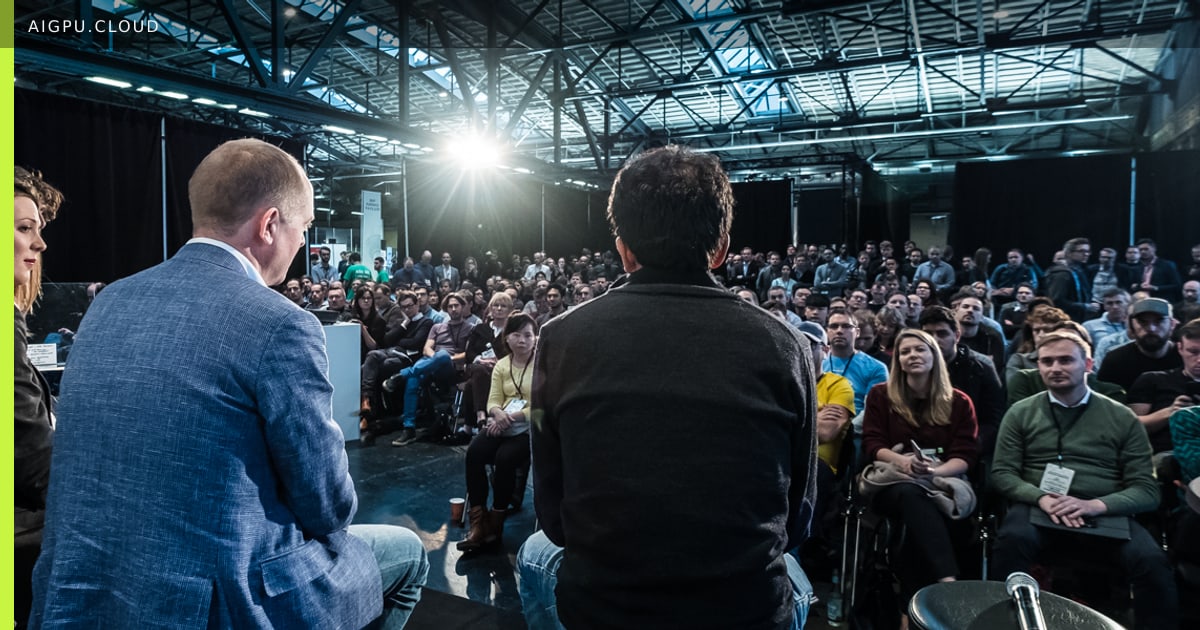
TechCrunch Disrupt 2026: A Strategic Overview
TechCrunch Disrupt returns to Moscone West in San Francisco from October 13-15, 2026, gathering over 10,000 attendees—founders, investors, operators, and technology leaders—to explore the frontiers of artificial intelligence. While industry stages host keynotes and panels, the true depth lies in the breakout sessions designed for targeted dialogue.
The 2026 agenda centers on four critical themes that directly impact GPU and AI infrastructure strategy. First, the session "What Is Physical AI, Anyway?" examines how AI extends beyond software into machines requiring perception, reasoning, and action in unpredictable environments—a shift that demands new architectural playbooks and investment criteria.
Second, "Outnumbered Either Way: How an Engineer and an Architect Run Their Jobs on Agents" delves into practical workflows for deploying multi-agent systems like Claude, covering parallel execution, delegation of engineering tasks, error recovery, and integrating agents into daily operations.
Third, "How to Build AI We Can Trust" addresses the growing importance of human-in-the-loop evaluation frameworks, drawing on experiences with misinformation, online safety, and direct collaboration with foundation-model laboratories to scale reliable AI systems.
Finally, "The Inference Economy: Why AI’s Next Trillion Dollars Won’t Look Like Its First" analyzes the transition from model training to inference-centric economics, exploring how latency becomes a competitive differentiator and reshaping infrastructure decisions for startups and enterprise deployments alike.
These sessions underscore why understanding hardware specialization and distributed compute matters for AI infrastructure planning. As organizations move from training-heavy investments to inference-driven workloads, the choice of accelerators, memory hierarchies, and edge deployment strategies becomes decisive. For buyers evaluating aigpu solutions, the insights from this event highlight the convergence of advanced GPU architectures, specialized AI chips, and cloud-native platforms required to support the next generation of intelligent applications.
Attendees can secure passes through early registration, with significant savings available for groups and those recently displaced by economic shifts. The full agenda provides a roadmap for engaging directly with thought leaders who are defining the trajectory of physical AI, agent-based workflows, and trustworthy AI development across the global ecosystem.
- aigpu
- ai gpu
- ai gpu cloud
- aigpu dubai
- hardware
- industry
- infrastructure
- research
By AiGpu Editorial · Editorial rewrite based on public reporting (TechCrunch AI)
← All articles