Industry·
MIT students gain a humanist lens on technical innovation in Tulsa, Oklahoma
MIT undergraduates participated in the Code.Tulsa summer program, interning with the Muscogee Creek Nation to blend engineering work with community‑focused humanities learning, developing a maternal health survey and reflecting on the cultural context of technology.
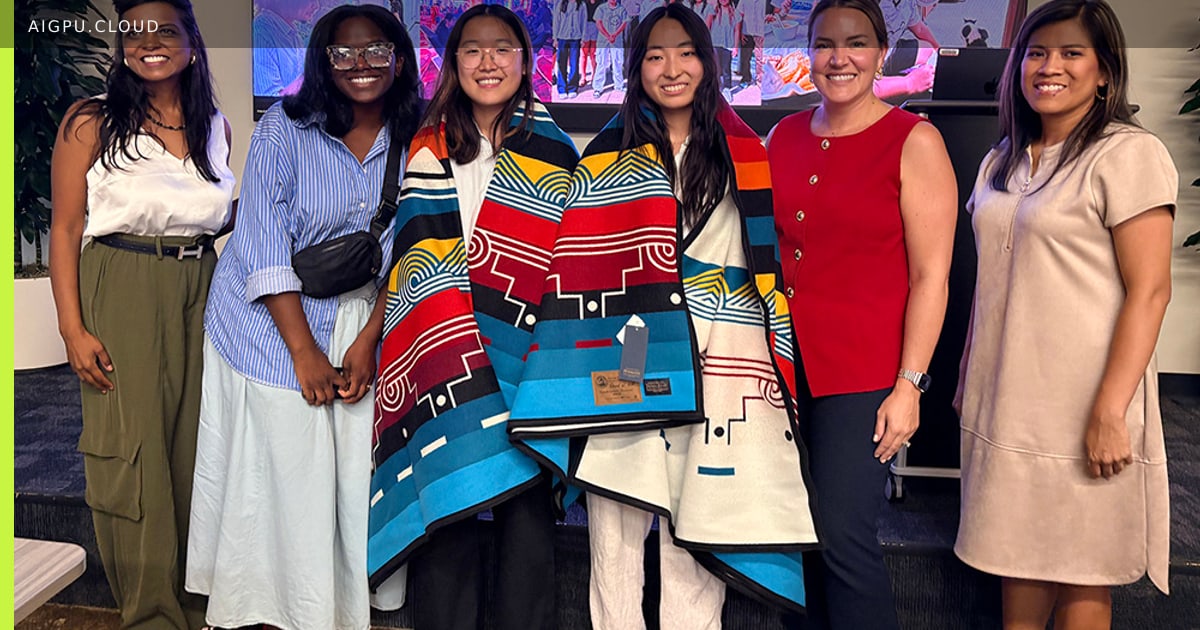
MIT’s PKG Center for Social Impact expanded its Code.Tulsa experiential learning initiative this summer, bringing ten undergraduate engineers to the University of Tulsa for an immersive ten‑week placement in Tulsa, Oklahoma.
Senior mechanical engineering student Daphne Wang and AI major Lucy Sun were assigned to the Muscogee Creek Nation’s Department of Health, where they helped design the first Pregnancy Risk Assessment Monitoring System (PRAMS) survey, a tool that will capture culturally relevant maternal health data while respecting tribal data sovereignty.
Beyond technical tasks, the program paired engineering work with humanities workshops that encouraged students to examine tribal history, ethical governance, and the societal impact of emerging technologies, fostering a mindset that treats community context as integral to innovation.
“Tech for good means stepping outside the campus bubble, listening to people whose lives are shaped by the solutions we build,” Wang said, noting that the experience reshaped her view of required curriculum for engineers.
Why it matters for GPU and AI infrastructure: understanding local data governance and community priorities guides the design of scalable AI pipelines, ensures that GPU‑accelerated models are trained on ethically sourced datasets, and builds trust that is essential for widespread adoption of AI‑driven health services in underserved regions.
- aigpu
- ai gpu
- ai gpu cloud
- aigpu dubai
- mit
- code.tulsa
- human-centered ai
- community data
- ai infrastructure
By AiGpu Editorial · Editorial rewrite based on public reporting (MIT News AI)
← All articles