Policy·
Self‑Regulation Won’t Secure AI Safety—History Shows Why
A look at why voluntary AI safety pledges echo the failed self‑regulation of the auto industry, and why binding standards are needed.
When the U.S. auto industry was asked to protect drivers in the 1960s, it chose voluntary seat‑belt installation — and the death toll kept climbing. Only federal mandates turned the tide.
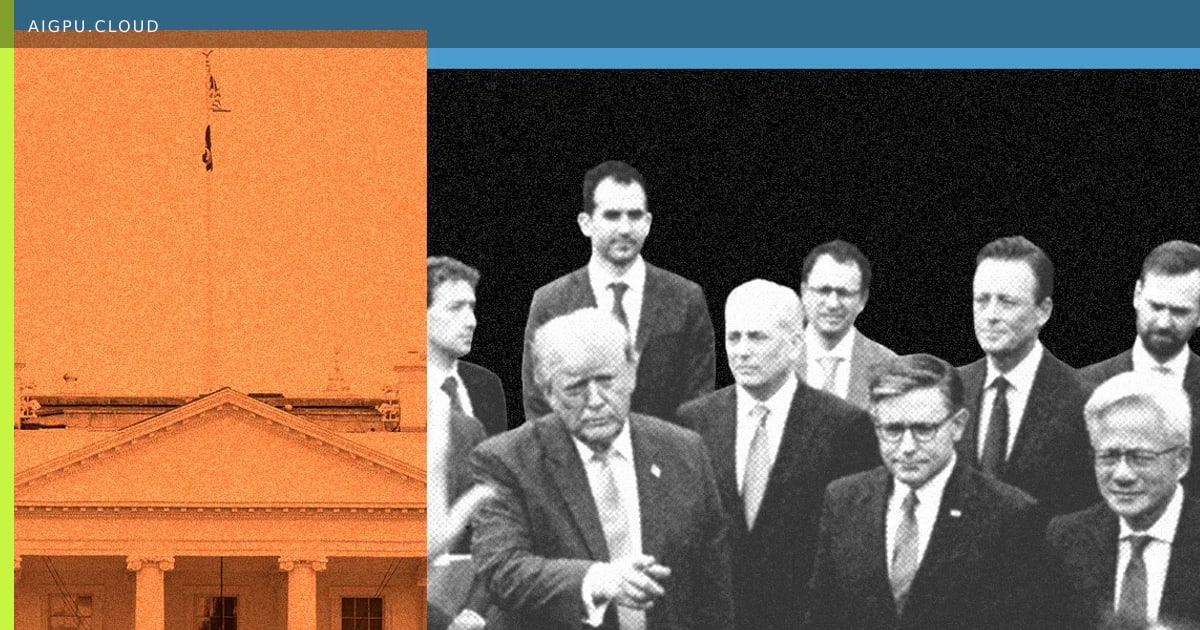
Today, leading AI labs have signed a voluntary safety accord, leaving enforcement to the companies themselves. The White House echoed the same “self‑police” language, treating good intentions as a substitute for law.
Why it matters for GPU / AI infrastructure
- Binding standards would define clear compute‑usage limits and audit trails for large‑scale training runs.
- Predictable regulation reduces investment risk for cloud providers and hardware buyers.
- Standardized safety testing can be integrated into GPU‑cluster provisioning pipelines.
Without enforceable rules, the industry remains an ouroboros of financing deals and circular hype, and the hardware that powers it — GPUs, interconnects, and data‑center capacity — faces uncertain demand and potential liability.
- aigpu
- ai gpu
- ai gpu cloud
- aigpu dubai
- ai safety
- regulation
- policy
By AiGpu Editorial · Editorial rewrite based on public reporting (Wired AI)
← All articles