Infrastructure·
Physical AI Safety Must Scale With the Machines It Controls
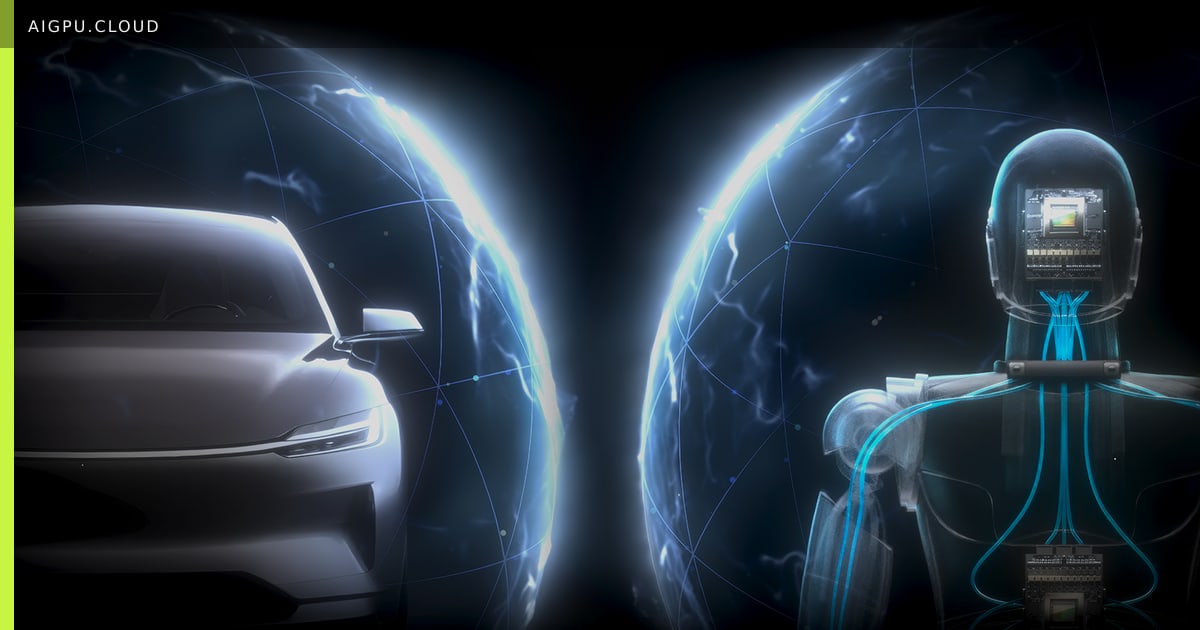
Autonomous vehicles and robots are moving toward mass deployment, making continuous, full-stack safety assurance essential for AI infrastructure.
Why the safety model is changing
Forecasts cited by NVIDIA indicate rapid growth in physical AI: ABI Research expects 49 million level 3–5 autonomous vehicles installed by 2035, while Omdia projects roughly 60 million industrial robots deployed between 2026 and 2035. As these systems enter roads and workplaces shared with people, safety can no longer be treated as a one-time pre-launch check.
The new model must account for changing environments, unexpected conditions and failures across hardware, software and AI models. Validation also needs to combine real-world trials with simulation, reconstructed scenarios and synthetic data, because testing every possible physical interaction in the field is impractical.
NVIDIA describes its Halos safety foundation as a full-stack approach informed by more than a decade of autonomous-vehicle work. It brings together functional safety, sensor fusion, AI assurance, vision processing, simulation and deployment validation, with emerging guidance such as ISO/IEC TS 22440 addressing AI-specific risks.
Why it matters for GPU / AI infrastructure: Scaling these workflows requires substantial compute for sensor processing, simulation, synthetic-data generation and repeated model validation. GPU platforms must therefore support not only model performance, but also traceable testing, controlled updates and evidence that safety measures remain effective as systems encounter new tasks and operating conditions.
- aigpu
- ai gpu
- ai gpu cloud
- aigpu dubai
- physical-ai
- gpu-infrastructure
- autonomous-vehicles
- robotics
- ai-safety
- simulation
By AiGpu Editorial · Editorial rewrite based on public reporting (NVIDIA Blog)
← All articles