Industry·
Photon Raises $4.5M to Build AI Agents That Replace Mobile Apps
After holding a metaphorical 'funeral' for traditional mobile apps, AI startup Photon has secured $4.5M in seed funding to accelerate its mission of replacing mobile apps with intelligent agents that operate directly within messaging platforms like iMessage and WhatsApp.
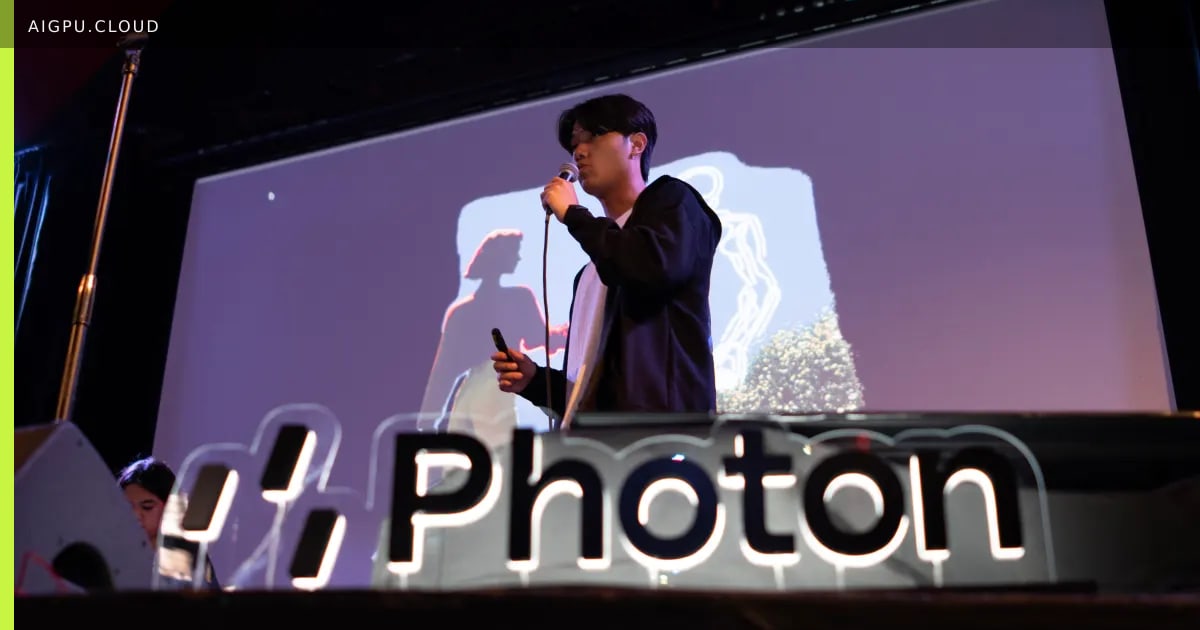
In a bold move signaling a fundamental shift in software development, AI startup Photon recently celebrated a symbolic "funeral" for traditional mobile applications. The event, held in San Francisco on September 17, featured speeches, panels from industry leaders like Vercel, Stripe, and OpenAI, and even an actual coffin placed beside app icons—a tongue-in-cheek tribute to the declining relevance of standalone apps.
Photons core thesis is clear: users no longer desire installing new applications; instead, they seek seamless access to intelligent agents that leverage messaging platforms they already use daily. Building on early success—where the open-source version of Photon accounted for 98% of adoption—the team transitioned from community-driven releases to a commercial model. In just four months, the startup reported a tenfold increase in revenue following the onboarding of over 40,000 developers, demonstrating rapid market validation.
The company has raised $4.5M in seed funding to scale its platform, which provides developers with a unified API, an extensible channel framework, a command-line interface (CLI), and a comprehensive observability suite. These tools enable agents to operate across iMessage, WhatsApp, Telegram, SMS/RCS, email, voice, and other communication channels. Notably, the managed platform offers 99.95% uptime, SOC 2 Type II compliance, and HIPAA certification—making it suitable for sensitive healthcare use cases where data privacy and reliability are paramount.
Why this matters for GPU and AI infrastructure lies in the architectural implications of agent deployment. Traditional mobile apps rely heavily on device-level compute and battery-intensive background processes. Agent-based architectures, by contrast, can offload reasoning and decision-making to specialized accelerators while keeping interactions lightweight on edge devices. As AI models become more capable, the ability to run them efficiently within existing communication stacks reduces latency, lowers power consumption, and enables continuous operation without constant connectivity. For enterprises building custom AI solutions, Photon represents a path toward scalable, compliant, and developer-friendly agent ecosystems that integrate seamlessly into enterprise workflows.
- aigpu
- ai gpu
- ai gpu cloud
- aigpu dubai
- cloud computing
- agent-based ai
- developer tools
By AiGpu Editorial · Editorial rewrite based on public reporting (TechCrunch AI)
← All articles