Research·
Patient-specific AI aligns surgical X-rays with 3D scans in seconds
MIT researchers report a patient-specific registration system that combines 2D X-rays with preoperative CT or MRI data at sub-millimeter precision.
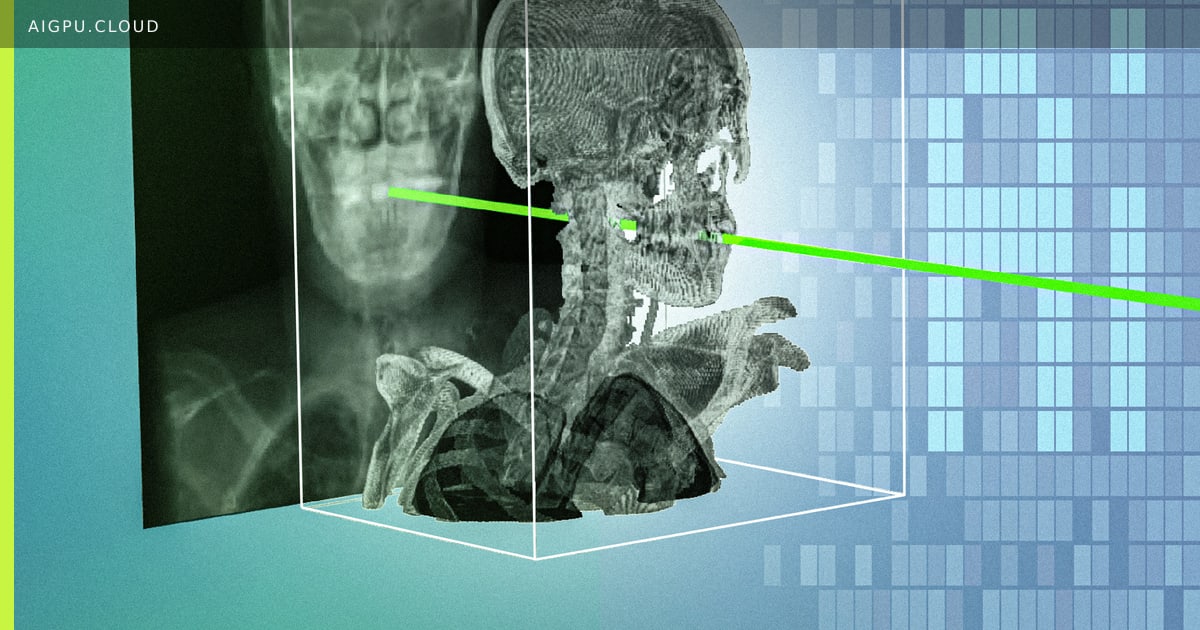
MIT researchers and clinical collaborators have introduced xvr, short for X-ray volume registration, to connect intraoperative X-rays with a patient's preoperative CT or MRI data. The approach targets surgical navigation in areas such as orthopedics and neurosurgery.
Standard X-rays present three-dimensional anatomy as a flat image, making the position and orientation of instruments difficult to determine. Clinicians can manually align these images with preoperative scans, but existing AI registration tools have struggled to remain reliable across different patients and procedures.
The xvr workflow adapts to each patient in roughly five minutes. It then generates thousands of synthetic X-ray views at about 1,000 images per second and matches surgical X-rays to the 3D scan within seconds. The researchers report sub-millimeter precision and an order-of-magnitude performance advantage over prior AI methods across varied patients, body regions, and procedures.
Why it matters for GPU and AI infrastructure
xvr represents a clinical workload that combines high-throughput image synthesis with low-latency registration. Faster, more dependable alignment could reduce navigational uncertainty during minimally invasive procedures, while real-world deployment will still require validation, workflow integration, and regulatory review.
- aigpu
- ai gpu
- ai gpu cloud
- aigpu dubai
- medical-ai
- surgical-navigation
- image-registration
- gpu-infrastructure
- healthcare-ai
By AiGpu Editorial · Editorial rewrite based on public reporting (MIT News AI)
← All articles