Industry·
OpenAI and Founders Fund Back Brain-Implant Startup Coherence Neuro in $45M Seed Round
OpenAI's venture arm and Peter Thiel's Founders Fund join a $45 million seed round for Coherence Neuro, a startup building AI-driven brain implants to detect and treat glioblastoma. The deal signals growing appetite among AI labs for neural data as a new training frontier.
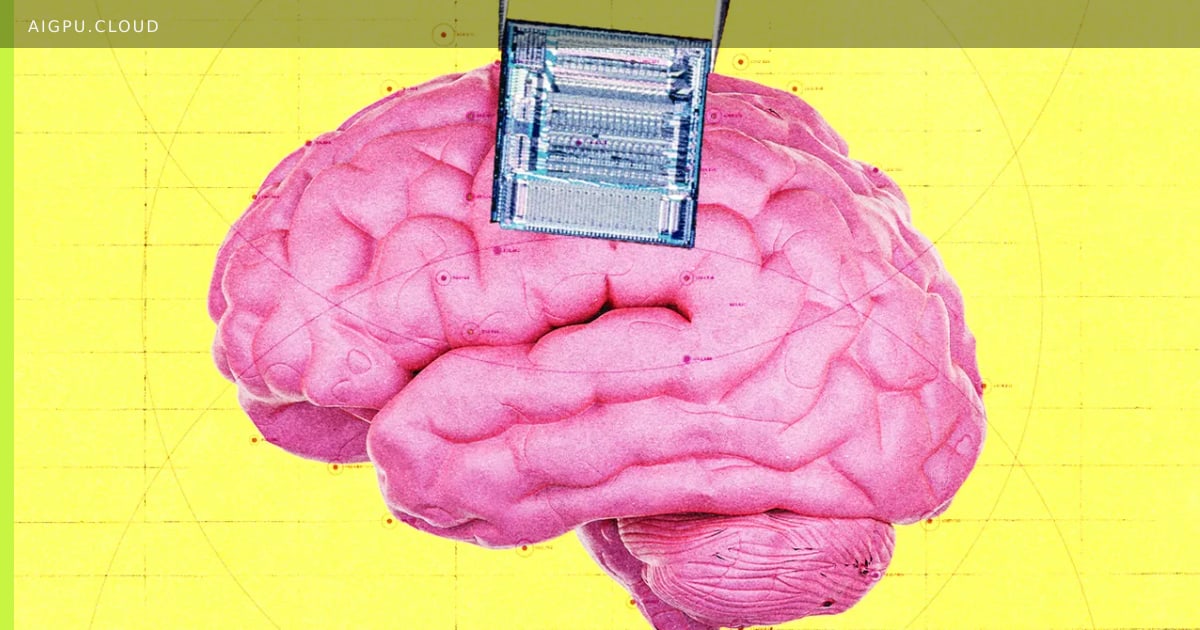
OpenAI's venture capital arm and Peter Thiel's Founders Fund have participated in a $45 million seed financing for Coherence Neuro, a San Francisco startup developing implantable devices that decode neural signals linked to brain tumors. The investment extends a pattern of major AI labs placing bets on brain-computer interface (BCI) companies as sources of high-value, high-dimensional data.
From Paralysis to Oncology
Unlike Neuralink or CTRL-labs, which target motor restoration, Coherence focuses on oncology. Its implant records subtle electrical patterns associated with tumor growth, shrinkage, or recurrence—initially validated in animal models. This summer, the device was tested in three patients undergoing glioblastoma resection at Royal Melbourne Hospital, remaining in place for roughly 30 minutes to verify recording safety. A follow-up cohort of seven patients will evaluate both recording and stimulation capabilities.
The long-term vision is a closed-loop system: the implant continuously learns cancer-specific neural signatures and delivers mild electrical stimulation to inhibit tumor progression. Coherence plans to use the new capital to launch a chronic implantation trial in glioblastoma patients and expand toward other cancers.
Why It Matters for AI Infrastructure
BCI platforms generate massive, noisy datasets that exceed human analytical capacity—precisely the workload modern GPU clusters excel at. As AI labs seek novel, proprietary data streams to differentiate foundation models, neural data offers a unique modality: high temporal resolution, direct physiological grounding, and clinical relevance. Investments like this signal that demand for specialized compute—low-latency inference at the edge, secure training on sensitive health data—will grow alongside BCI adoption.
- aigpu
- ai gpu
- ai gpu cloud
- aigpu dubai
- brain-computer interface
- openai
- healthcare ai
- neurotechnology
By AiGpu Editorial · Editorial rewrite based on public reporting (Wired AI)
← All articles