Research·
Global AI Collaboration Releases Massive Open Viral Protein Dataset for Pandemic Preparedness
A new open dataset of over 2,800 viral protein complex structures, generated using AI models like AlphaFold2 optimized on NVIDIA GPUs, has been released to accelerate research into future pandemics. This collaborative effort aims to provide scientists worldwide with critical insights into viral biology.
Accelerating Pandemic Preparedness Through Open Science
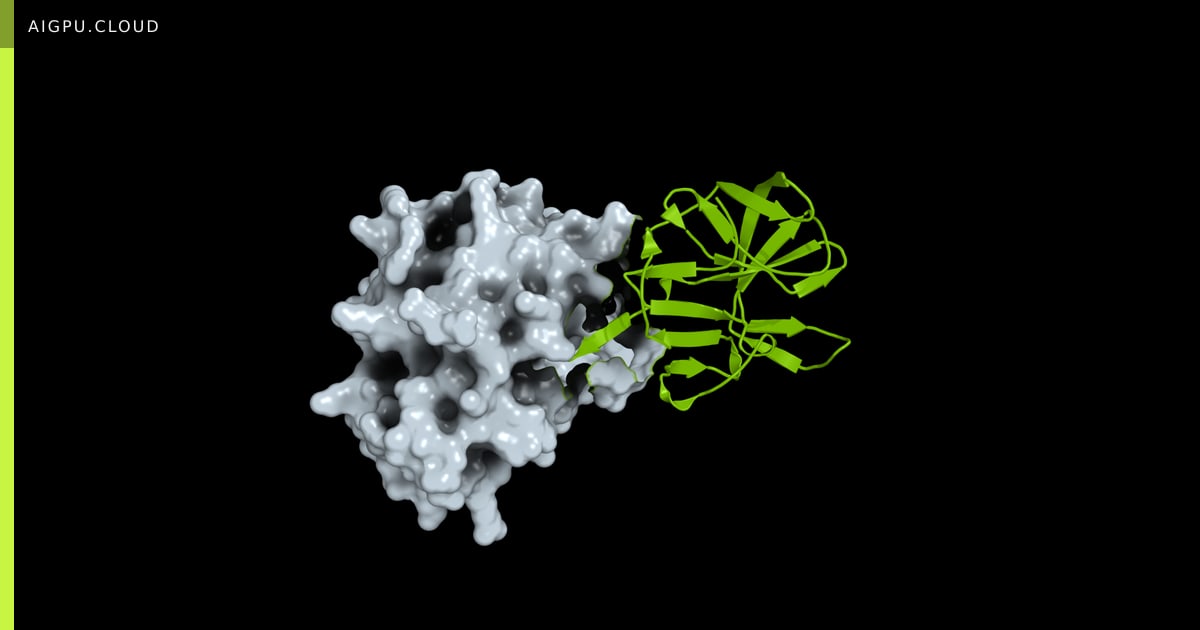
In a significant move to bolster global health security, a consortium of leading research organizations, including NVIDIA, Google DeepMind, and the European Molecular Biology Laboratory’s European Bioinformatics Institute (EMBL-EBI), has unveiled a comprehensive open dataset of viral protein complex structures. This initiative provides scientists worldwide with unprecedented access to critical biological information, aiming to preemptively equip the research community against future pandemic threats.
The newly released dataset encompasses predicted 3D structures for protein complexes from over 2,800 viruses. These structures were primarily inferred using AlphaFold2, Google DeepMind's advanced AI model for predicting protein folding, with substantial optimization from NVIDIA BioNeMo Inference Runtime. This synergy allowed for the scalable processing of thousands of viral proteomes, identifying complex interactions between proteins within each virus.
A key aspect of this open science endeavor is the public availability of the NVIDIA BioNeMo Structure Prediction Pipeline. This GPU-accelerated workflow, instrumental in generating the dataset, is now accessible to researchers. It empowers them to independently translate protein sequences into predicted 3D structures for their specific research targets, further democratizing access to cutting-edge computational biology tools.
The urgency of this collaboration is underscored by analyses suggesting a high probability of severe pandemics by 2050. Unlike the COVID-19 pandemic, where prior knowledge of coronaviruses provided a crucial head start, future outbreaks may present entirely novel pathogens. By proactively stockpiling structural knowledge of viral proteins, the scientific community aims to reduce response times for diagnostics, treatments, and vaccine development.
Why it matters for GPU / AI infrastructure
This project highlights the indispensable role of high-performance computing and AI infrastructure in accelerating scientific discovery. The ability to process and predict thousands of complex protein structures in a fraction of the time required by traditional methods is directly attributable to the power of AI models running on advanced GPU platforms. For AI infrastructure providers, this demonstrates the critical demand for scalable, efficient GPU compute resources in life sciences, particularly for large-scale digital biology simulations and AI inference tasks. The open-sourcing of the BioNeMo Structure Prediction Pipeline further encourages broader adoption and innovation within the research community, driving demand for robust and accessible GPU cloud services.
- Scalability: Processing thousands of viral proteomes efficiently.
- Speed: Predicting structures in minutes versus years with traditional methods.
- Accessibility: Open-source tools lower barriers for global researchers.
- Innovation: Enabling new insights into protein interactions previously unobserved.
- aigpu
- ai gpu
- ai gpu cloud
- aigpu dubai
- ai in life sciences
- gpu computing
- open science
- pandemic preparedness
- protein folding
- bionemo
By AiGpu Editorial · Editorial rewrite based on public reporting (NVIDIA Blog)
← All articles