Industry·
Open vs. Closed AI: How Founders Are Deciding What to Build On
Startups no longer pick a single model once and for all. Multi‑model architectures, custom fine‑tuning, and the choice between renting APIs or owning weights are reshaping product strategy and infrastructure spend.
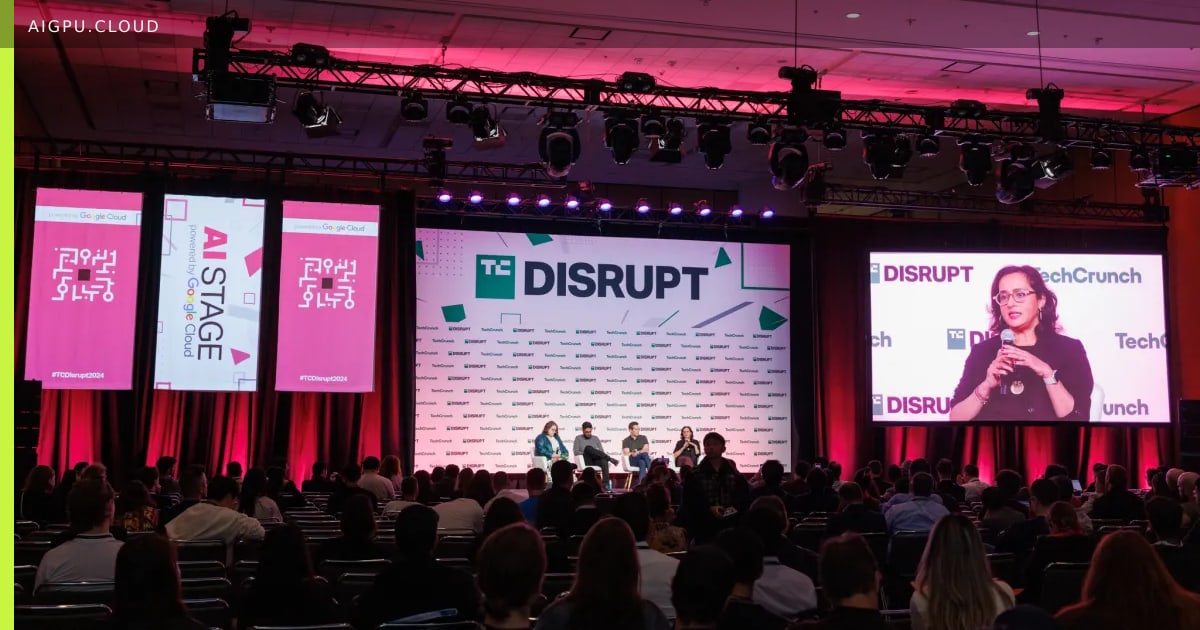
At TechCrunch Disrupt 2026, several sessions highlighted a shift: founders are treating model selection as an ongoing architectural decision rather than a one‑off choice. Open‑weight models have matured enough to compete on many tasks, while proprietary APIs continue to push the performance frontier. The result is a landscape where a single product can call different models for different workloads, optimizing cost, latency, and quality simultaneously.
Multi‑model strategies
Panelists from CapitalG, Together AI, and Pathway explained how leading companies route requests to the most suitable model — using a large proprietary model for reasoning‑heavy tasks and a smaller open model for high‑throughput inference. This approach reduces GPU hours, preserves flexibility for future model upgrades, and avoids vendor lock‑in.
- Route traffic based on task complexity and latency budget.
- Maintain a thin abstraction layer so new models can be swapped in minutes.
- Track per‑model cost metrics to justify infrastructure spend.
Owning more of the stack — custom fine‑tunes or fully trained models — can become a defensible moat, but it demands talent, data pipelines, and sustained compute capacity. Founders must weigh the strategic value of differentiation against the operational burden of running large‑scale training clusters.
- aigpu
- ai gpu
- ai gpu cloud
- aigpu dubai
- multi-model
- open-source
- founder-strategy
- gpu-cloud
By AiGpu Editorial · Editorial rewrite based on public reporting (TechCrunch AI)
← All articles