Industry·
Nvidia Security Leadership Shake‑Up Raises Questions Amid CEO Scandal
The sudden departure of Nvidia's chief security officer and the appointment of a new leader coincide with mounting scrutiny over CEO Jensen Huang's personal relationships and a federal probe into a Singapore data‑center partner. The episode highlights how executive conduct can intersect with corporate security posture.
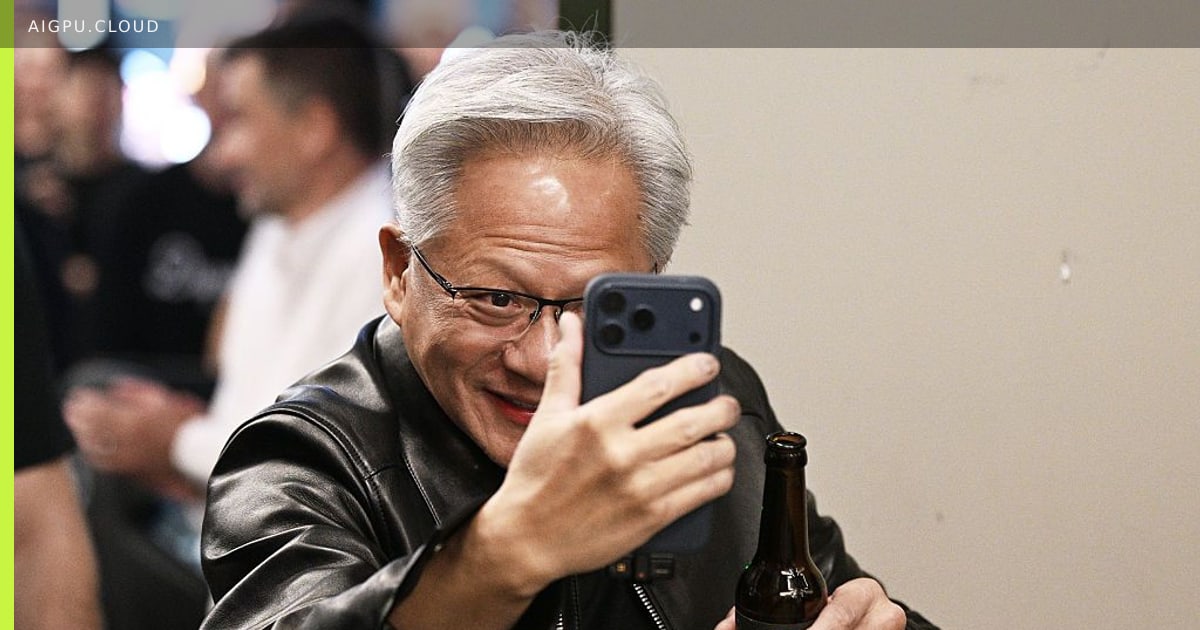
In August, Nvidia's longtime chief security officer David Reber announced his resignation, citing a recent Parkinson's diagnosis. Barely three months later, CEO Jensen Huang stepped down amid reports of extramarital affairs — one involving an executive at Megaspeed, a Singapore data‑center firm under U.S. investigation for allegedly channeling Nvidia GPUs to China.
Reber's successor, Saša Zdjelar, brings a background in energy IT and cybersecurity but has not publicly addressed what the security team knew about the Megaspeed probe or Huang's conduct. While no direct link has been established, security experts note that relationships with parties under government scrutiny can create intelligence‑gathering vulnerabilities that are difficult to detect.
Why it matters for GPU / AI infrastructure
For cloud providers and AI hardware buyers, the stability of a chip vendor's governance matters. A leadership vacuum in security can delay threat‑intel sharing, weaken supply‑chain vetting, and erode confidence in the integrity of GPU allocations — critical for large‑scale training clusters.
Analysts also point out that security budgets often lag behind revenue‑generating units, and CEOs may resist spending beyond compliance minimums. The Nvidia case underscores the need for independent board oversight and adequately resourced security functions, especially when geopolitical risk surrounds chip distribution.
- aigpu
- ai gpu
- ai gpu cloud
- aigpu dubai
- nvidia
- security
- leadership
- compliance
By AiGpu Editorial · Editorial rewrite based on public reporting (TechCrunch AI)
← All articles