Industry·
Nvidia's Leadership Shakeup: What Huang's Exit Means for AI Infrastructure
Jensen Huang's sudden resignation after 33 years at Nvidia has stunned the AI industry. While Silicon Valley rallies behind the founder, the board's investigation and potential security implications raise questions about governance at the world's most critical AI hardware company.
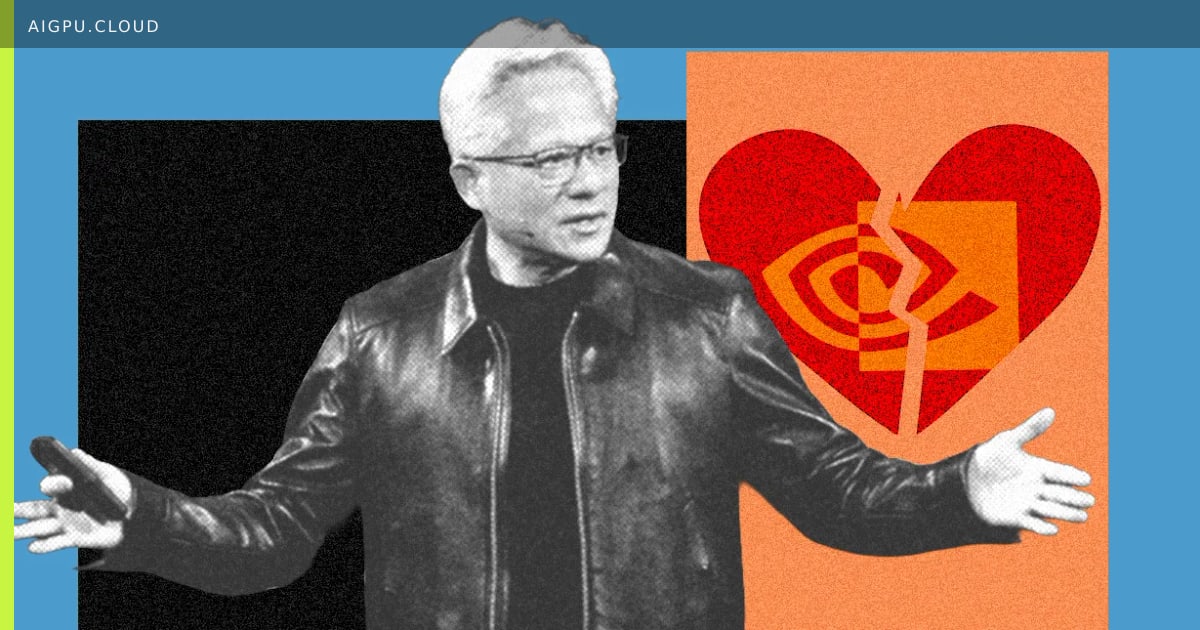
Nvidia's board accepted CEO Jensen Huang's resignation this week following revelations of multiple personal relationships, including one with a businesswoman identified by U.S. officials as a potential Chinese intelligence asset. The departure ends a 33-year tenure during which Huang transformed the company from a graphics chip vendor into the indispensable infrastructure provider for generative AI.
Employee Loyalty and Industry Defense
Internal sentiment remains strikingly supportive. Nvidia's 60,000-strong workforce — known for exceptionally low turnover and a culture described as "green-pilled" — largely expected the board to clear Huang. Many employees and prominent venture capitalists argue that personal misconduct, absent evidence of compromised trade secrets, should not outweigh three decades of operational excellence. The board has stated it found no indication that sensitive IP was exposed, though it retained Wachtell Lipton to conduct a formal review.
Peers across Silicon Valley echoed that view. Investors including Antonio Gracias and Sarah Guo publicly emphasized Huang's irreplaceable role in building Nvidia's moat in accelerated computing. Their stance reflects a broader industry calculation: the company's roadmap — spanning Blackwell, Rubin, and sovereign AI initiatives — is so tightly bound to Huang's vision that succession risk now rivals geopolitical risk for buyers planning multi-year GPU capacity.
Why it matters for GPU/AI infrastructure: Enterprise customers and cloud operators evaluating long-term supply agreements must now factor leadership stability into procurement models. While Nvidia's product cadence remains unchanged near-term, any strategic pivot — especially around export compliance, China strategy, or custom silicon partnerships — could shift under new stewardship. Diversification across hardware vendors and in-house accelerator programs gains urgency as a hedge.
- aigpu
- ai gpu
- ai gpu cloud
- aigpu dubai
- nvidia
- jensen huang
- ai infrastructure
- leadership
By AiGpu Editorial · Editorial rewrite based on public reporting (Wired AI)
← All articles