Industry·
Nvidia's Huang Reinstatement Raises Questions on Export Control Enforcement
Nvidia's board reinstated CEO Jensen Huang just 11 days after his resignation over ties to a suspected Chinese intelligence asset, citing U.S. government assurances. Experts warn the move prioritizes market stability over national security precedent.
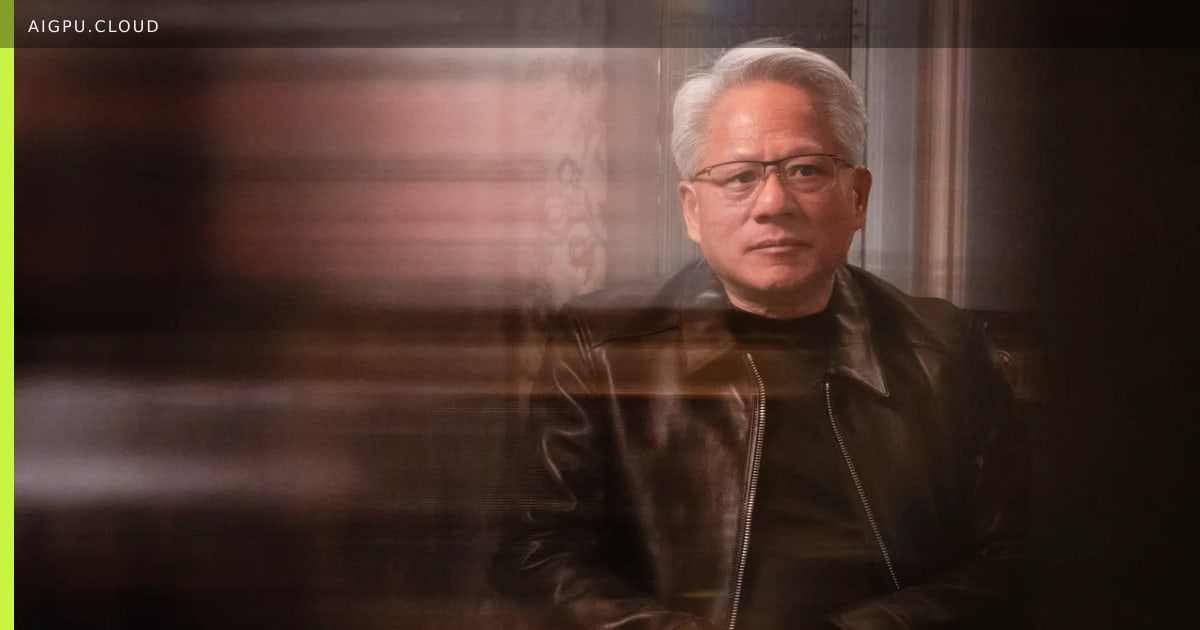
Nvidia's board brought Jensen Huang back as chief executive on Monday, less than two weeks after he stepped down following revelations of a personal relationship with Alice Huang — a figure U.S. intelligence agencies link to China's Ministry of State Security. The board stated that input from "senior levels of the United States government" gave it confidence that Huang's return poses no national security risk, even as its own internal investigation remains open and the Justice Department pursues a criminal probe into Megaspeed, a Singapore entity once led by Alice Huang, for allegedly diverting Nvidia chips to China.
President Trump acknowledged lobbying the board directly, pointing to Nvidia's declining share price as a factor. The stock rebounded sharply after the announcement, underscoring how deeply the company's market valuation is woven into broader U.S. economic sentiment. Intelligence veterans and export-control specialists tell WIRED the episode sets a troubling precedent: when commercial pressure overrides security vetting, adversaries may treat American warnings as negotiable.
Why it matters for GPU / AI infrastructure
For buyers and operators of AI compute, the case highlights a structural tension. The same chips that power large-language-model training are subject to strict export controls, yet the companies designing them may face political intervention when enforcement threatens shareholder value. If damage assessments are abbreviated or classified assurances substitute for transparent process, supply-chain predictability suffers — directly affecting procurement roadmaps, compliance budgets, and long-term capacity planning for GPU clouds like ours.
Several experts have asked who provided the government's clearance, what counterintelligence review was performed, and whether a formal damage assessment occurred. Without public answers, the perception lingers that enforcement elasticity correlates with market capitalization. That perception, more than any single executive's conduct, may erode trust in the export-control regime that underpins global semiconductor trade.
- aigpu
- ai gpu
- ai gpu cloud
- aigpu dubai
- nvidia
- export-controls
- semiconductors
- ai-infrastructure
By AiGpu Editorial · Editorial rewrite based on public reporting (Wired AI)
← All articles