Industry·
Thomas Nagel Dismisses AI Consciousness Claims as 'Ridiculous' — Why Substrate Matters for AI Infrastructure
Legendary philosopher Thomas Nagel, fresh off a $1M Berggruen Prize, argues that attributing consciousness to LLMs ignores the physical requirements of subjective experience — a perspective that reinforces the centrality of specialized hardware in AI development.
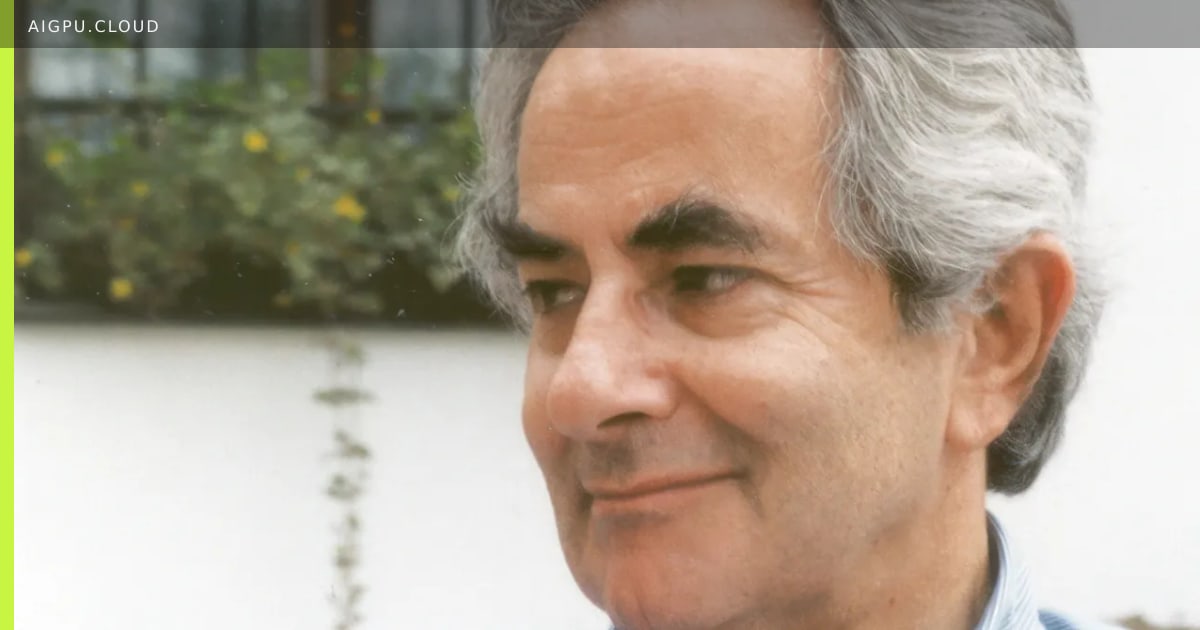
Philosopher Thomas Nagel, awarded this week the $1 million Berggruen Prize for Philosophy & Culture, has called the notion that large language models could be conscious "just ridiculous." In an interview with Wired, the 89-year-old NYU professor emeritus — famous for his 1974 paper "What Is It Like to Be a Bat?" — argued that functionalism, the view that consciousness is substrate-independent, is fundamentally mistaken.
Nagel contends that consciousness requires specific physical conditions analogous to a nervous system. Data centers running LLMs, he notes, share nothing in common with the biological substrate that gives rise to subjective experience. While we cannot imagine what it's like to be a bat, we have positive reason to believe bats are conscious; for AI, there is no comparable basis.
Why It Matters for GPU and AI Infrastructure
For teams building and deploying AI at scale, Nagel's intervention underscores a practical reality: today's models are sophisticated pattern-matchers running on silicon, not emergent minds. This clarifies investment priorities — optimize for throughput, latency, and efficiency on proven hardware architectures rather than chasing speculative "consciousness" capabilities. The substrate matters, and for the foreseeable future, that substrate is high-performance GPU clusters.
- aigpu
- ai gpu
- ai gpu cloud
- aigpu dubai
- consciousness
- philosophy
- infrastructure
- hardware
By AiGpu Editorial · Editorial rewrite based on public reporting (Wired AI)
← All articles