Research·
MIT's TangiMap Uses AI Agents to Reprogram Physical Controls for Creative Workflows
A new agentic system from MIT CSAIL maps digital functions onto tangible knobs, buttons, and sliders, enabling eyes-free, multi-parameter control for tasks like photo editing, music performance, and 3D modeling.
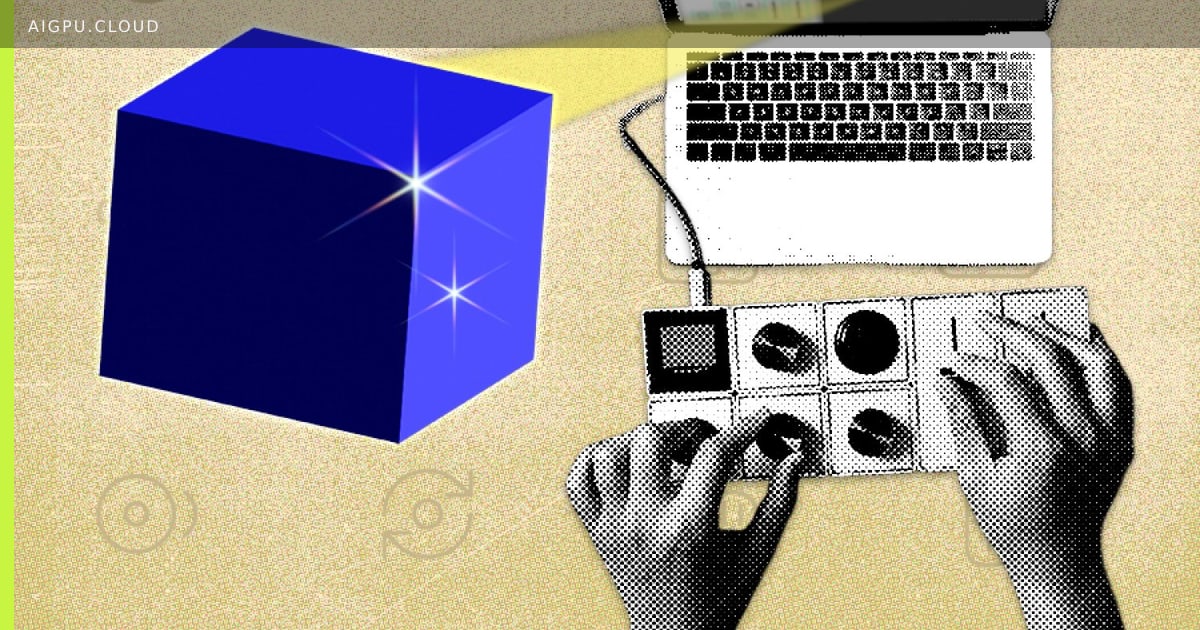
Researchers at MIT's Computer Science and Artificial Intelligence Laboratory have unveiled TangiMap, an agentic system that dynamically reassigns physical controls — knobs, faders, buttons — to whatever software task is at hand. Instead of fixed mappings, an AI agent interprets the application context, user habits, and device layout, then generates a custom function map that turns a standard audio mixer into a photo‑editing surface or a 3D‑modeling console.
How the agent builds the map
The agent gathers context from multiple sources: the target application's API, an MCP server that bridges agents to apps, or a screenshot analyzed by a vision‑language model. A large language model then synthesizes this information into a configuration file that binds each tangible input to a specific digital action. The result is a fluid, DJ‑style workflow where a single controller can trigger cues, adjust loops, or tweak color grades without the user looking away from the work.
In demonstrations, the team repurposed a commercial mixer to control Adobe Lightroom parameters such as exposure, contrast, and saturation simultaneously — a multi‑parameter adjustment that is cumbersome with a mouse. The same approach accelerated 3D modeling, letting researchers shape a cube by turning physical knobs that corresponded to vertex positions, extrusion depth, and subdivision levels.
Why it matters for GPU and AI infrastructure
TangiMap's real‑time agent loop — perception, reasoning, and mapping — demands low‑latency inference for vision‑language models and LLMs. As such agentic interfaces proliferate, GPU clouds will need to serve bursty, interactive workloads with predictable tail latency. This underscores the growing importance of inference‑optimized hardware, efficient model serving stacks, and high‑bandwidth interconnects for AI‑augmented human‑computer interaction.
By restoring tactile, eyes‑free control to digital creative tools, TangiMap points toward a future where AI agents continuously reshape hardware affordances. For infrastructure providers, the signal is clear: the next wave of AI applications will blend generative reasoning with real‑time device orchestration, raising the bar for responsive, scalable compute.
- aigpu
- ai gpu
- ai gpu cloud
- aigpu dubai
- tangible interfaces
- ai agents
- human-computer interaction
- mit csail
By AiGpu Editorial · Editorial rewrite based on public reporting (MIT News AI)
← All articles