Industry·
Midterm Shifts Reshape Big Tech's Political Calculus — And Data Center Strategy
As Washington's balance of power shifts, AI giants scramble to rebuild Democratic ties while the real infrastructure battles play out in state capitals and local communities deciding the fate of compute campuses.
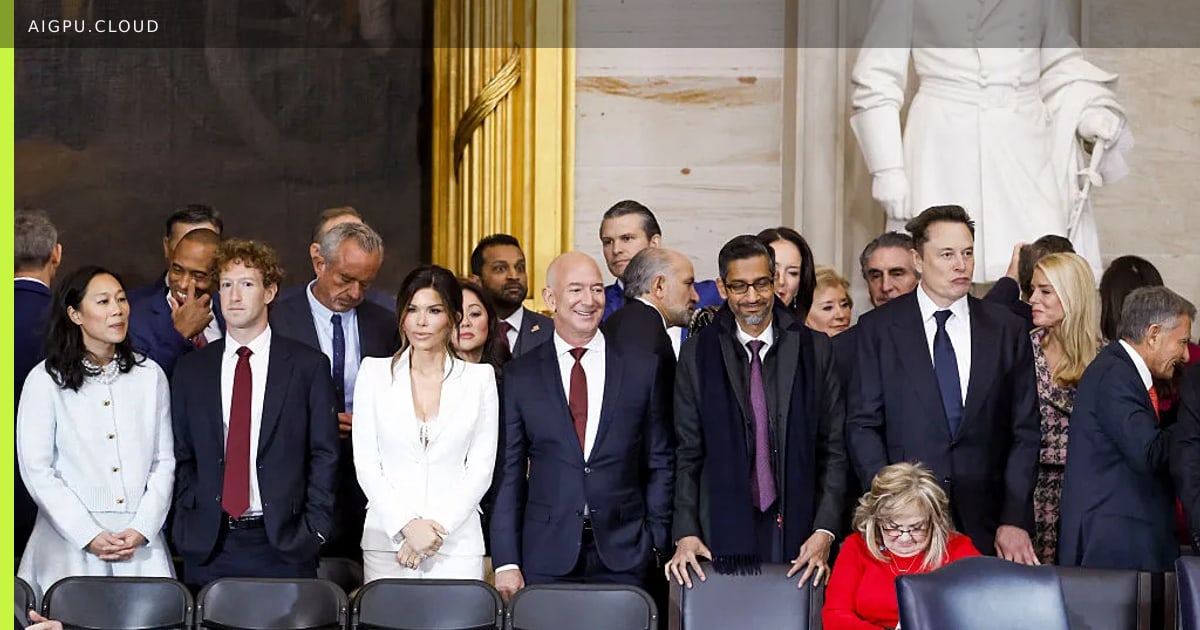
The U.S. midterm elections have triggered a familiar pattern: major AI companies pivoting their political engagement to match the new congressional arithmetic. OpenAI's hire of Jessica Schumer — daughter of Senate Democratic Leader Chuck Schumer — and its rebranding of data centers as "compute campuses" signal a deliberate charm offensive toward lawmakers now positioned to tighten AI oversight.
For two years, Silicon Valley cultivated the Trump administration, securing tax advantages, paused investigations, and a lighter regulatory touch. Meta, OpenAI, and others attended White House events, trimmed DEI programs, and funded aligned super PACs. That access now looks fragile as Democrats pledge stricter guardrails on model deployment, data practices, and market concentration.
Infrastructure fights are local, not federal
The most consequential battles for AI infrastructure won't be decided in Washington. State legislatures are drafting moratoriums on new data center construction. County boards weigh water rights, grid capacity, and community opposition against promised tax revenue. Meta's Dina Powell McCormack acknowledged this reality: communities that welcome investment see "enormous benefit"; those that don't retain the right to say no.
Public Citizen's J.B. Branch labels the Schumer hire and campus rebranding "PR washing." He expects more corporate–public partnerships — OpenAI with the American Federation of Teachers, Anthropic's Claude Corps, Meta's America's Workforce Academy — designed to build local goodwill. But Data & Society's Alice Marwick warns the pivot may be too late; the industry's credibility hinges on whether its products demonstrably improve daily life.
For GPU cloud operators and hardware buyers, the takeaway is clear: political risk for AI infrastructure has decentralized. Site selection now requires navigating not just power and fiber, but a patchwork of state regulations and community sentiment. Bipartisan engagement at every level — federal, state, municipal — is no longer optional; it's a prerequisite for deploying compute at scale.
- aigpu
- ai gpu
- ai gpu cloud
- aigpu dubai
- data centers
- ai regulation
- infrastructure policy
- compute campuses
By AiGpu Editorial · Editorial rewrite based on public reporting (TechCrunch AI)
← All articles