Hardware·
Meta Unveils Next-Gen Smart Glasses: VR, Camera-Free, and AI Integration
Meta has introduced a new lineup of smart glasses, featuring a lightweight VR headset, a camera-free audio-focused model, and updated Ray-Ban smart glasses with enhanced AI capabilities. These innovations aim to address privacy concerns while pushing the boundaries of wearable technology.
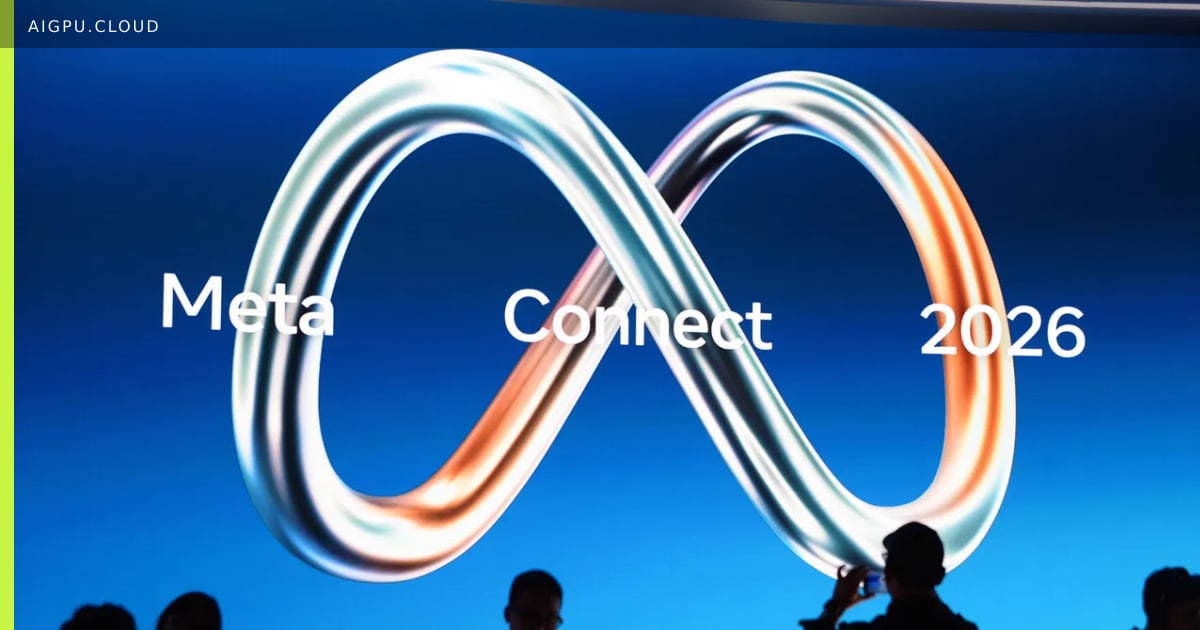
Meta's Latest Wearable Technology Innovations
Meta recently unveiled its latest advancements in smart glasses technology, showcasing a diverse range of products designed to expand the virtual and augmented reality landscape while addressing user privacy concerns. The announcement featured a significantly lighter VR headset, a new camera-free audio-focused smart glass model, and an upgraded third generation of their popular Ray-Ban smart glasses, now with deeper AI integration.
The new Meta VR Glasses represent a notable shift from traditional bulky headsets. Designed to resemble oversized goggles, they are reportedly five times lighter than the Quest 3, offering a more comfortable, headstrap-free experience. These glasses feature a 5K micro-OLED display per eye and offload processing to an external compute unit, enabling hand and eye-tracking for interaction. This design choice emphasizes portability and ease of use, aiming to make VR and AR more accessible for everyday applications beyond gaming.
In response to ongoing privacy debates, Meta introduced the Ray-Ban Meta Audio glasses, a camera-free variant focusing solely on audio functionalities. This model retains the audio capabilities of its predecessors but removes image and video capture, offering a privacy-centric option for users. Concurrently, the third generation of Ray-Ban Meta smart glasses sees upgrades including a 12-MP camera, 3K Dolby Atmos video capture, extended battery life, and an improved six-microphone array for superior audio and noise reduction. A new 'Hearing Enhancement' feature also leverages the speakers to amplify surrounding speech and audio.
Why it matters for GPU / AI infrastructure
The continuous evolution of smart glasses and VR/AR devices, particularly with integrated AI agents like Meta's Muse, places increasing demands on both edge computing and cloud-based GPU infrastructure. Processing high-resolution visual data, real-time audio analysis for features like hearing enhancement, and complex AI inference for virtual assistants and interactive environments requires significant computational power. While some processing may occur on local compute pucks, the seamless integration of AI, especially for generating photorealistic holograms or complex virtual workspaces, will rely heavily on robust, scalable GPU clusters in the cloud. This trend underscores the growing need for high-performance GPU services capable of handling the intensive workloads generated by advanced wearable AI.
- aigpu
- ai gpu
- ai gpu cloud
- aigpu dubai
- meta
- smart glasses
- vr
- ar
- ai hardware
- wearable tech
By AiGpu Editorial · Editorial rewrite based on public reporting (Wired AI)
← All articles