Industry·
Meta's Muse vs OpenAI's Dots: The Battle for Your Digital Life
As AI agents become mainstream, Meta and OpenAI race to win consumer trust with autonomous assistants that can manage everything from emails to finances.
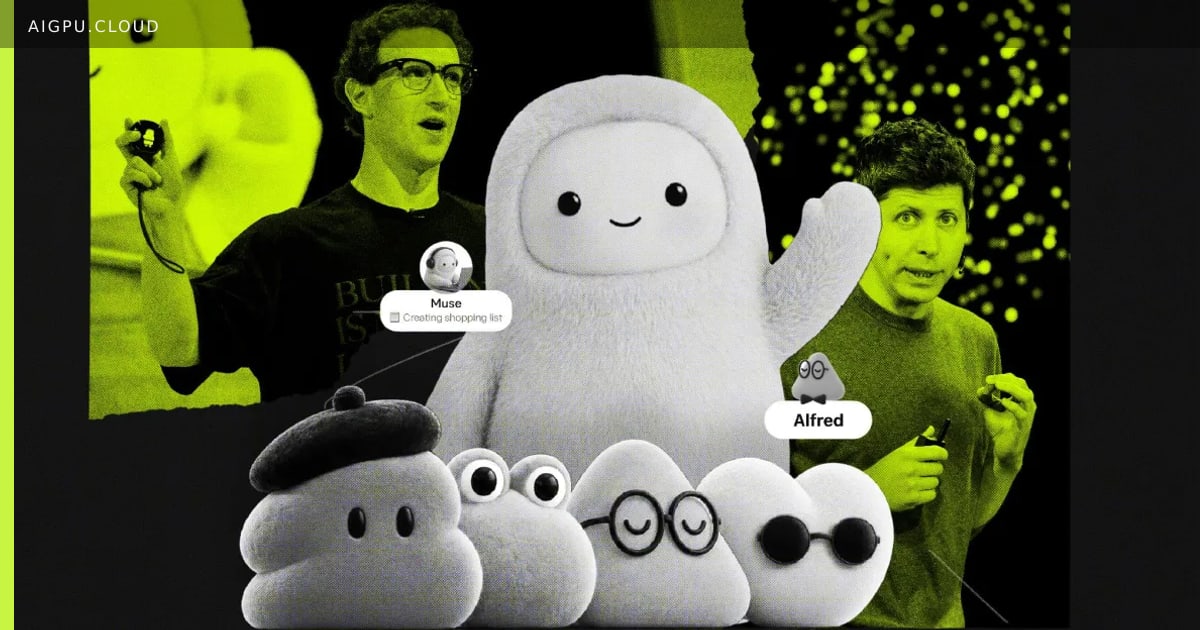
The AI agent landscape has shifted dramatically this year, moving from niche tools for developers to consumer-facing platforms designed to handle everyday tasks autonomously.
From Homebrew to Mainstream
Earlier experiments with agent frameworks like OpenClaw sparked a surge in Mac Mini purchases among enthusiasts, but recent launches from Meta (Muse) and OpenAI (Dots) have brought these capabilities to millions of mainstream users through intuitive interfaces and animated mascots.
- Meta's Muse is positioned as a free tier option
- OpenAI's Dots offers specialized variants for marketing, legal, and accounting
- Both platforms promise end-to-end automation without constant user input
However, this convenience comes with significant privacy concerns. Users must weigh the benefits of delegating sensitive tasks—credit card transactions, email management, file access—against the risks of entrusting personal data to large tech companies.
Why it matters for GPU / AI infrastructure
These consumer agent platforms demand substantial computational resources for real-time processing, creating new opportunities for GPU cloud providers to offer scalable inference solutions tailored for always-on AI workloads.
- aigpu
- ai gpu
- ai gpu cloud
- aigpu dubai
- ai agents
- meta muse
- openai dots
- gpu cloud
By AiGpu Editorial · Editorial rewrite based on public reporting (The Verge AI)
← All articles