Industry·
Meta Opens Muse AI Agent to Custom Hardware with Muse Gadgets
Meta launches an open-source framework letting developers run its Muse AI agent on Raspberry Pi, ESP32, and custom boards — signaling a push toward edge-deployed AI assistants.
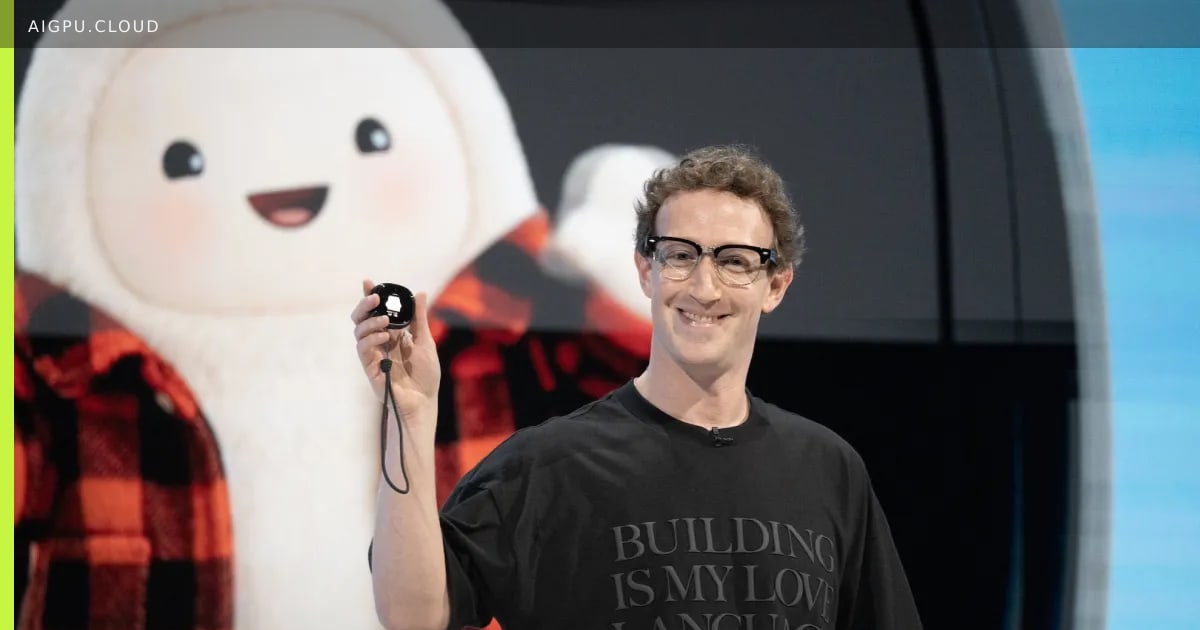
Meta has unveiled Muse Gadgets, an open-source project that enables developers to build custom hardware endpoints for its Muse personal AI agent. The release includes firmware, a Linux SDK, and reference designs — such as a color e-ink display and an HDMI stick — that run on low-cost platforms like Raspberry Pi and ESP32 boards. By exposing Muse to sensors, actuators, and local displays, Meta is effectively moving the agent from a cloud-only chatbot to an edge-capable assistant that can interact with physical environments.
Why it matters for GPU / AI infrastructure
This shift highlights a growing trend: AI agents are no longer confined to data centers. Running inference on hobbyist-class hardware demands efficient model quantization, low-latency local execution, and robust device management — all areas where GPU-accelerated edge stacks and optimized runtimes become critical. For infrastructure providers, the proliferation of agent-enabled devices expands the addressable market for distributed inference, model serving, and fleet orchestration services.
Meta has already demonstrated the concept at scale with Muse Home Link, a USB-C hub that bridges Muse to local smart-home networks. The company produced 5,000 units for free distribution to Muse subscribers, and early demand suggests strong developer appetite. Alongside the consumer push, Meta launched Muse for Small Business — integrating with Shopify, Dropbox, and Slack — and formed a new Meta Enterprise Platform unit to target corporate customers.
The open-source approach lowers the barrier for experimentation, but production deployments will require reliable compute, secure updates, and observability. As agents like Muse migrate to the edge, the underlying GPU cloud and AI hardware ecosystem must evolve to support heterogeneous, geographically dispersed workloads with consistent performance and security guarantees.
- aigpu
- ai gpu
- ai gpu cloud
- aigpu dubai
- edge ai
- open source hardware
- meta muse
- ai agents
By AiGpu Editorial · Editorial rewrite based on public reporting (TechCrunch AI)
← All articles