Industry·
The Strategic Cuteness of AI Mascots: Meta's Muse and User Engagement
Meta's introduction of a 'cute' AI mascot for its Muse AI agent raises questions about the psychological impact of design on user trust and data sharing. This approach aims to foster deeper engagement, potentially influencing how users interact with AI assistants across various personal domains.
The Strategic Cuteness of AI Mascots: Meta's Muse and User Engagement
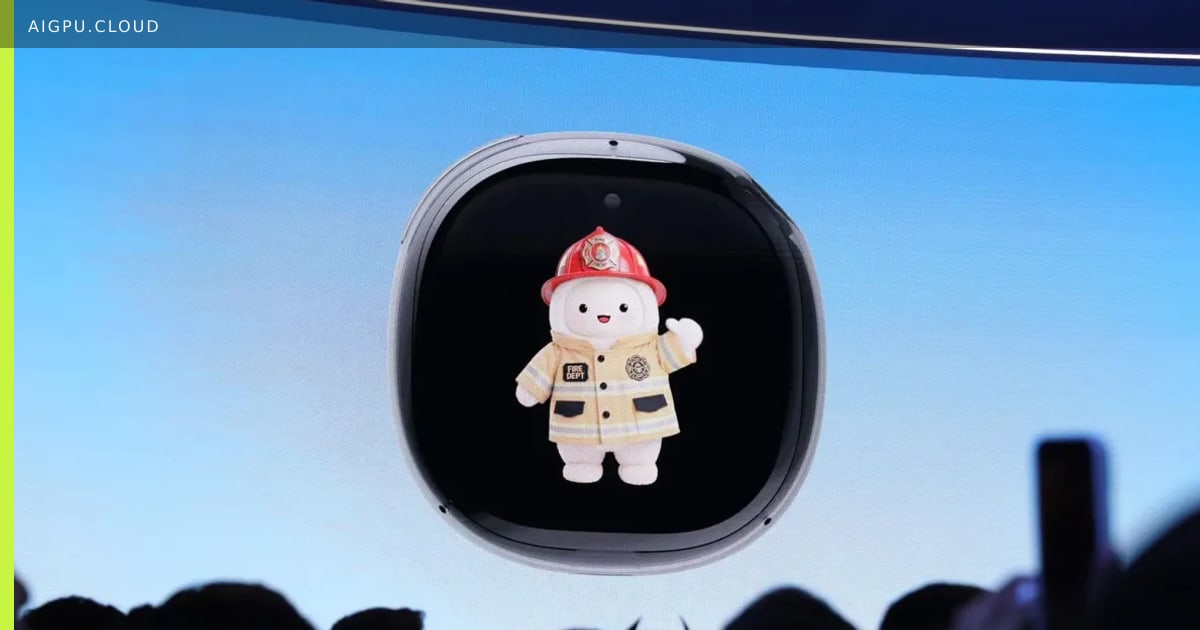
Recent developments from Meta highlight a strategic move to integrate AI agents, exemplified by their Muse AI, into a wide array of personal devices and interactions. A notable aspect of this rollout is the deliberate design of the AI's mascot to be overtly 'cute.' This aesthetic choice, as observed in various demonstrations and marketing materials, appears to be a calculated effort to enhance user comfort and encourage deeper engagement with the AI assistant.
The underlying psychological principle is well-documented: appealing visual design can significantly influence perception and trust. By presenting AI in an endearing form, Meta aims to mitigate potential user apprehension about sharing personal data and integrating AI into sensitive aspects of their lives, such as health, productivity, and relationships. This approach suggests a belief that a 'friendly' interface can make the prospect of AI omnipresence more palatable.
However, this strategy also brings forth important considerations regarding data privacy and the potential for manipulation. While a charming AI might encourage users to open up, the core functionality still involves extensive data collection and processing. The perceived innocence of a cute mascot could inadvertently lower users' guard, leading to less scrutiny over the terms of data usage and privacy implications.
Meta's vision extends to embedding Muse AI across its ecosystem, including smart glasses and dedicated AI wearables. This ubiquitous integration, coupled with the 'cute' mascot, underscores a future where AI assistants are not just tools but companions, designed to be intimately involved in daily routines. The effectiveness of this strategy will likely depend on Meta's ability to balance user appeal with transparent data governance.
Why it matters for GPU / AI infrastructure
The successful deployment of AI agents like Muse across diverse devices, from smart glasses to dedicated wearables, demands robust and scalable GPU and AI infrastructure. Each interaction, from processing natural language queries to rendering personalized visual feedback (like a cute mascot), requires significant computational power. As these AI agents become more sophisticated and integrated, the underlying hardware must support real-time processing, efficient model inference, and secure data handling at the edge and in the cloud. This trend points towards an increasing demand for specialized AI accelerators and high-performance computing solutions to power the next generation of personalized AI experiences.
- aigpu
- ai gpu
- ai gpu cloud
- aigpu dubai
- meta
- ai mascot
- user engagement
- data privacy
- ai hardware
- gpu infrastructure
By AiGpu Editorial · Editorial rewrite based on public reporting (The Verge AI)
← All articles