Industry·
Martha Minow at MIT: AI's Dual Role in Democracy's Future
Harvard legal scholar Martha Minow warns of an "Enlightenment loss" while outlining how AI infrastructure can be steered to strengthen — not erode — democratic governance.
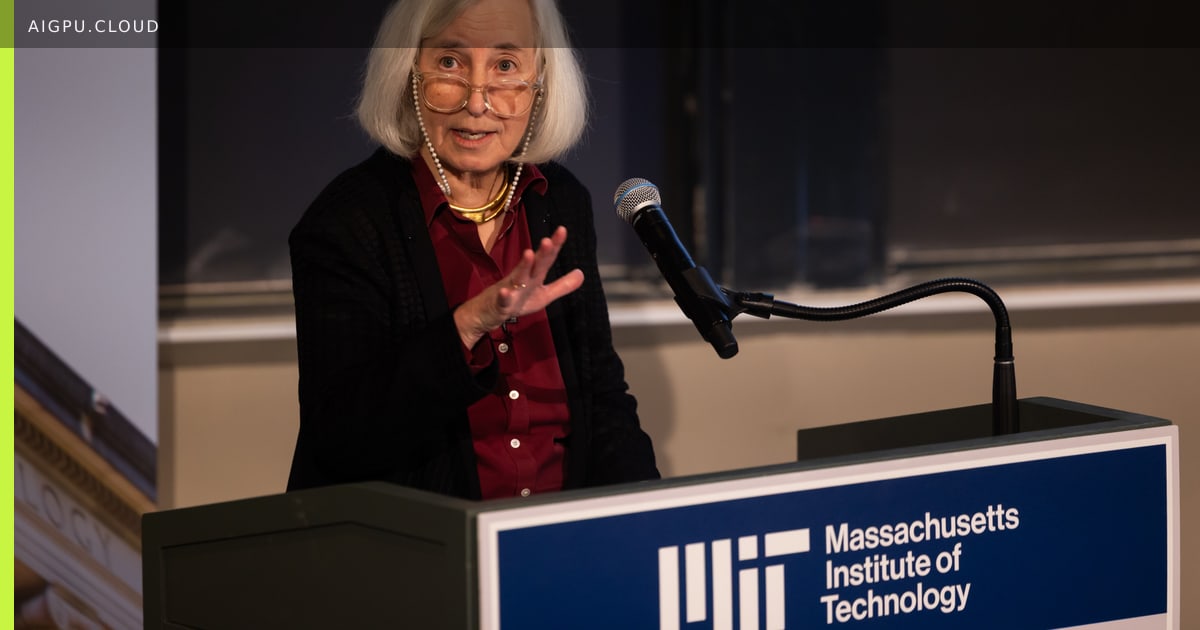
Delivering the Karl Taylor Compton Lecture at MIT, Harvard's Martha Minow framed artificial intelligence as both a threat to democratic norms and a potential tool for civic renewal. She cited a cascade of pressures — norm violations, weakened legislative oversight, and the spread of algorithmic misinformation — that have left 77 percent of Americans believing the nation's founders would be disappointed.
Minow's central concern is what she calls a "loss of the Enlightenment": the retreat from reason, evidence-based discourse, and the expansion of participatory rights. AI systems trained on opaque data and deployed without accountability can accelerate this retreat, automating bias and amplifying polarization at scale.
Why it matters for GPU / AI infrastructure
The computational backbone behind large-language models and real-time content moderation runs on GPU clusters like those AiGpu provisions. Infrastructure choices — where models are trained, who audits them, how data provenance is tracked — directly shape whether AI reinforces democratic deliberation or undermines it. Transparent, sovereign, and auditable compute environments are becoming a civic requirement, not just a technical preference.
Minow urged technologists and policymakers to embed constitutional values into the design cycle: open-source auditing trails, mandatory impact assessments for high-risk deployments, and public compute resources for civil-society research. For cloud providers, this means offering tooling that makes responsible deployment the default path.
- aigpu
- ai gpu
- ai gpu cloud
- aigpu dubai
- ai governance
- democracy
- responsible ai
- compute infrastructure
By AiGpu Editorial · Editorial rewrite based on public reporting (MIT News AI)
← All articles