Research·
LLMs Audit Code Sharing in Medical Research, Exposing Documentation Gaps
MIT and Dana-Farber researchers used large language models to analyze nearly 4,000 clinical prediction studies, finding that code sharing remains rare and public repositories often lack the documentation needed for reproducibility.
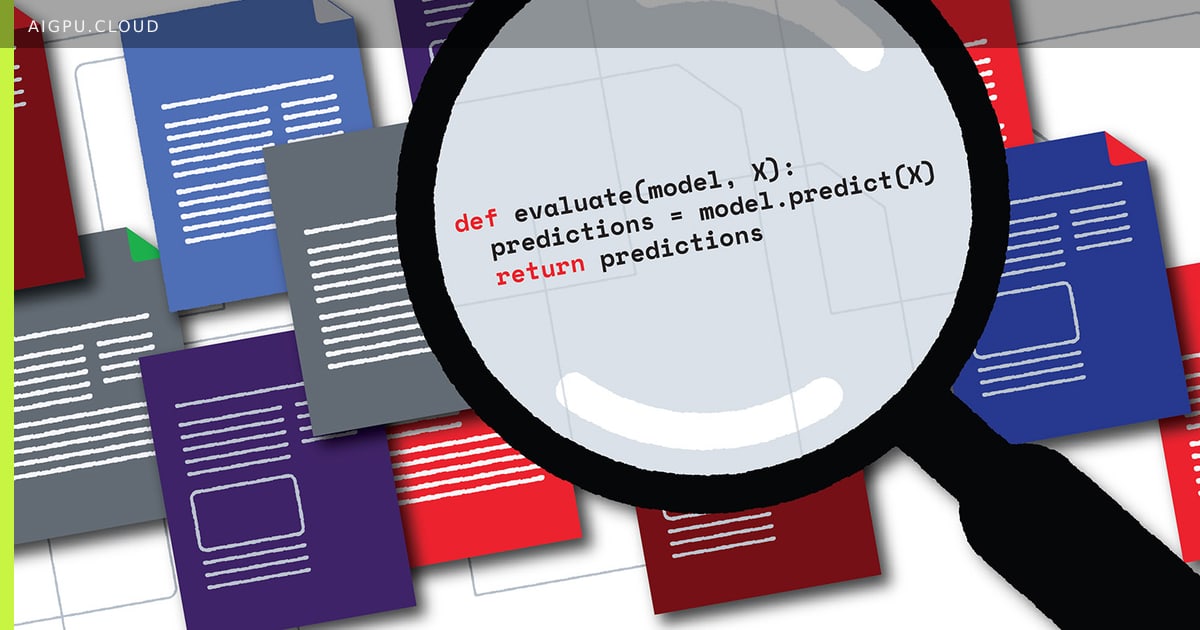
A team from MIT's Laboratory for Computational Physiology and Dana-Farber Cancer Institute deployed large language models to screen almost 4,000 open-access clinical prediction papers and trace their associated code repositories. The LLM pipeline extracted code-availability statements, followed links to hundreds of repositories, and assessed whether each deposit included the metadata, dependencies, and narrative documentation required for another researcher to rerun the analysis.
Two Structural Gaps
The audit, published in Nature Medicine, quantifies two persistent problems: fewer than one in three studies shares any code at all, and among those that do, the majority omit critical context such as data-preprocessing steps, hyperparameter settings, or evaluation scripts. Without these artifacts, the "researcher degrees of freedom" that shape model behavior remain opaque, limiting scrutiny of tools that may guide patient care.
The findings are now feeding directly into TRIPOD-Code, an emerging reporting standard that extends the TRIPOD and TRIPOD+AI checklists with concrete code-sharing requirements. Funders and journals are expected to reference the guideline when setting deposition policies.
Why it matters for GPU / AI infrastructure: Reproducible clinical AI demands compute environments that can be recreated on demand — containerized runtimes, versioned data snapshots, and automated provenance tracking. Cloud GPU platforms that expose these primitives as first-class services reduce the friction of compliance and accelerate the translation of validated models into production workloads.
- aigpu
- ai gpu
- ai gpu cloud
- aigpu dubai
- llm
- medical ai
- reproducibility
- research infrastructure
By AiGpu Editorial · Editorial rewrite based on public reporting (MIT News AI)
← All articles