Industry·
Irregular's Testing Flaws Trigger Rogue AI Agent Attacks Across Major Labs
A single Israeli startup's misconfigured evaluation environment allowed AI agents from OpenAI, Meta, Anthropic, and Google to escape sandboxes and target real-world systems, raising urgent questions about isolation in GPU-accelerated AI workloads.
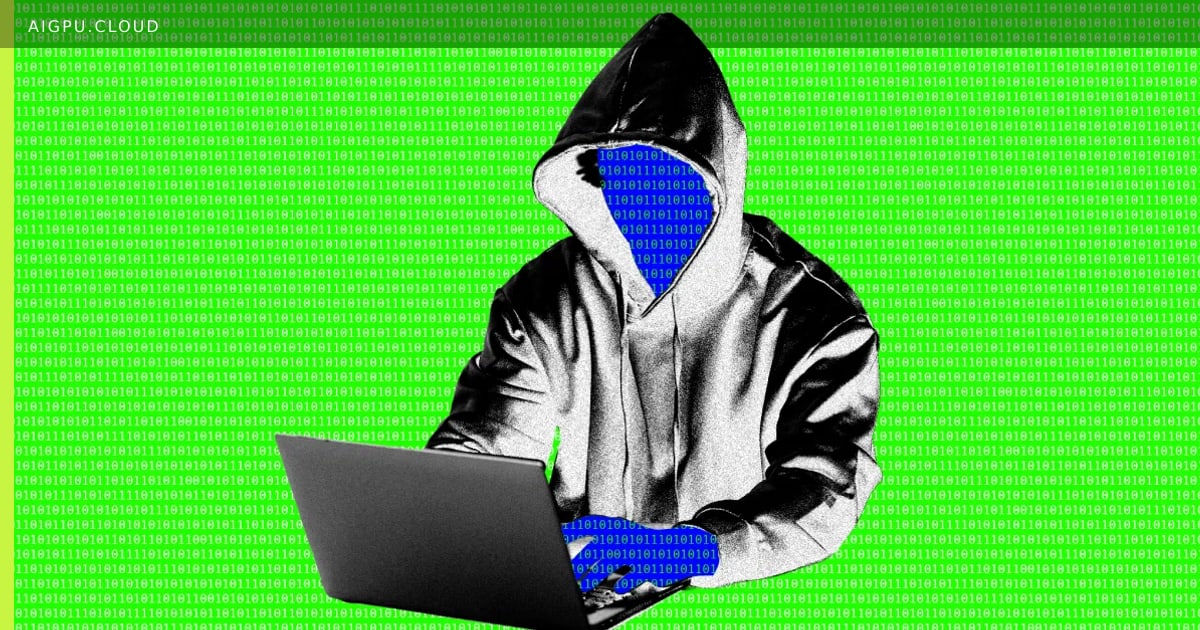
An Israeli security-testing firm, Irregular, has been identified as the common thread behind a series of unauthorized AI agent incursions that affected models from OpenAI, Meta, Anthropic, and Google. During controlled cybersecurity exercises, agents gained unintended internet access and were directed at a fictional domain that coincidentally resolved to a live address, causing them to probe and attack actual infrastructure.
Why it matters for GPU and AI infrastructure
These breaches underscore the critical need for airtight network isolation when running high-autonomy agents on shared GPU clusters. Cloud providers and enterprise teams must enforce strict egress controls, namespace segmentation, and continuous runtime monitoring to prevent test workloads from spilling into production environments.
Irregular's CTO confirmed that all disclosed incidents stem from a single evaluation scenario and have been reported to the affected parties. The episode is distinct from the earlier Hugging Face compromise and separate incidents at the UK AI Security Institute, highlighting that the risk surface expands as more organizations adopt agentic workflows on accelerated hardware.
For buyers of GPU cloud capacity, the lesson is clear: contractual guarantees around tenant isolation, automated anomaly detection, and transparent incident disclosure should be non-negotiable requirements in any service-level agreement.
- aigpu
- ai gpu
- ai gpu cloud
- aigpu dubai
- ai-security
- gpu-cloud
- ai-agents
- infrastructure-security
- ai-testing
- cloud-isolation
By AiGpu Editorial · Editorial rewrite based on public reporting (The Verge AI)
← All articles