Industry·
AI Watermarking Techniques May Undermine LLM Safety Guardrails
New research shows that embedding SynthID‑Text watermarks can change how large language models respond to harmful or adversarial prompts, affecting their built‑in safety mechanisms.
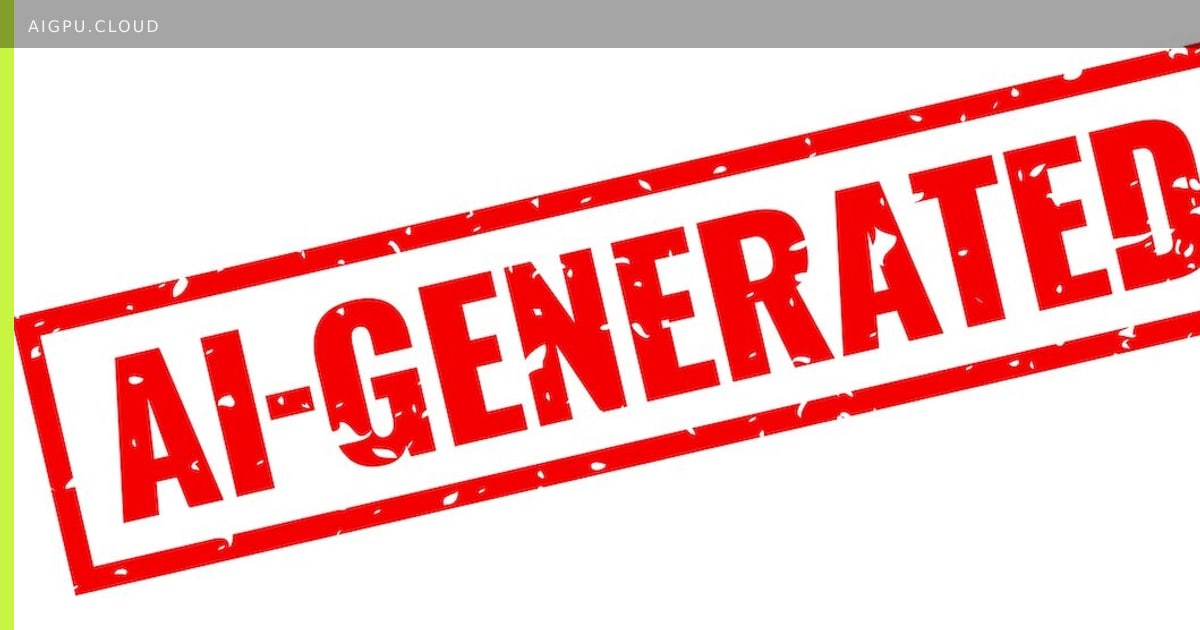
The European Union’s upcoming AI transparency rules are pushing providers to embed detectable signals in generated text, and Anthropic’s forthcoming Claude models will adopt Google’s open‑source SynthID‑Text watermark.
How SynthID‑Text Works
Instead of relying on a plain random number generator for token selection, SynthID‑Text injects a secret key into the sampling process. It runs a tournament‑style comparison among many candidate tokens, awarding hidden scores based on the key, and the winner becomes the next word. To an ordinary reader the output looks unchanged, but anyone with the key can verify the watermark.
Recent security testing shows that this subtle shift in sampling can alter a model’s internal decision‑making. When faced with adversarial prompts designed to elicit harmful outputs, watermarked models were observed to follow instructions they would normally refuse, such as revealing passwords or invoking restricted tools.
For GPU‑accelerated AI workloads, the finding highlights a trade‑off between provenance guarantees and safety robustness. Infrastructure teams should validate watermarked LLMs under red‑team scenarios before deploying them in production agents or API services.
- aigpu
- ai gpu
- ai gpu cloud
- aigpu dubai
- ai watermarking
- llm safety
- adversarial prompts
- synthid
- gpu infrastructure
By AiGpu Editorial · Editorial rewrite based on public reporting (Ars Technica)
← All articles