Industry·
AI‑Generated Celebrity Hair Edits Highlight Growing Deepfake Risks
Edited photos of Jeff Bezos and Jason Statham with full heads of hair are circulating online, illustrating how accessible generative AI makes visual manipulation. The incident underscores the need for better detection tools and the compute power behind them.
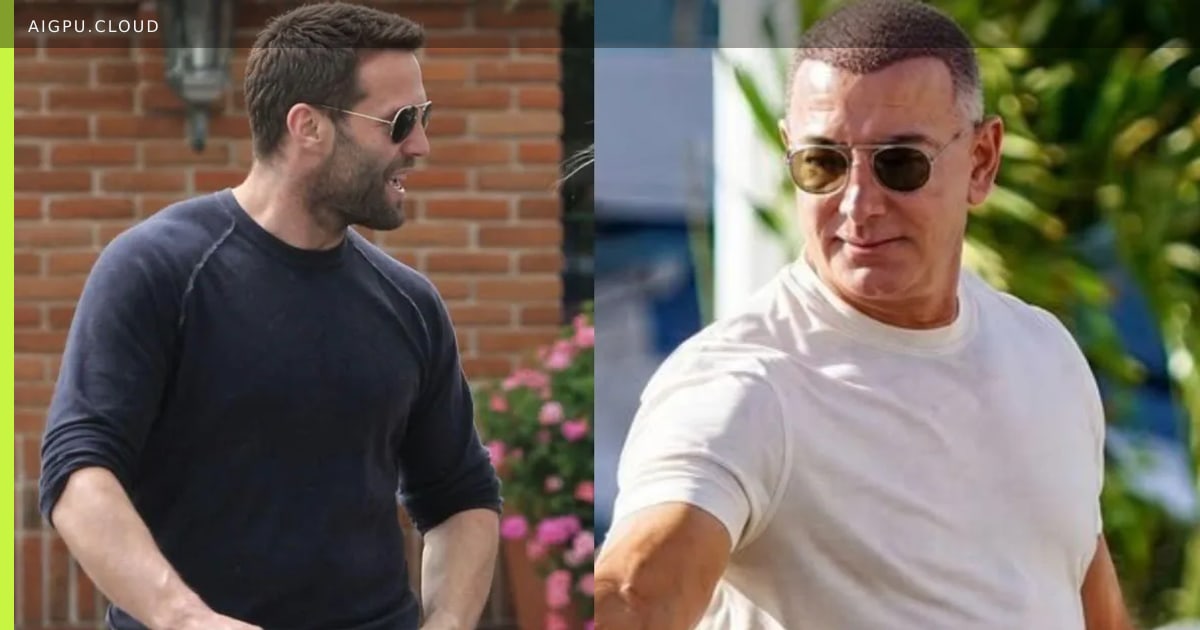
Recent social‑media posts showed Amazon founder Jeff Bezos and actor Jason Statham sporting thick hair, a look neither has worn in years. Reverse‑image searches quickly revealed the originals — bald, unaltered paparazzi shots from 2023 and 2011 — confirming the new pictures are fabrications.
Generative AI tools have lowered the barrier for creating convincing photo edits, and current platform labeling systems struggle to flag them. As a result, fabricated visuals can spread rapidly, misleading audiences and eroding trust in digital media.
Why it matters for GPU / AI infrastructure
Training and running the models that produce such deepfakes — as well as the detectors that aim to catch them — demand massive GPU resources. Cloud providers that offer scalable, high‑performance GPU clusters enable both the creation and the mitigation of synthetic media, making reliable compute a strategic asset for any organization concerned with content authenticity.
Investing in robust GPU‑accelerated pipelines for real‑time verification can help platforms and enterprises stay ahead of the deepfake curve, turning the same hardware that powers generative models into a line of defense.
- aigpu
- ai gpu
- ai gpu cloud
- aigpu dubai
- deepfake
- generative ai
- image verification
- gpu cloud
By AiGpu Editorial · Editorial rewrite based on public reporting (The Verge AI)
← All articles