Industry·
AI-Powered Caregiver Apps Scale Up, But Infrastructure Gaps Remain
New AI features in caregiver platforms like Caring Village and Mejo show promise for care coordination, yet the underlying compute and data challenges highlight why robust GPU infrastructure matters for health-tech innovation.
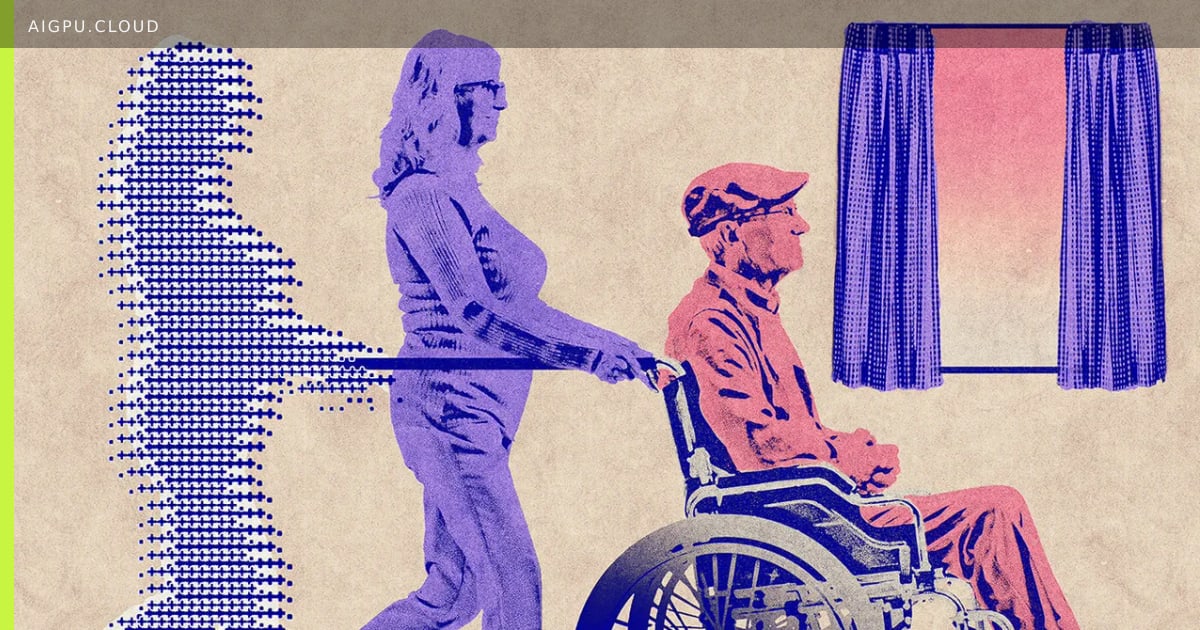
Family caregivers in the United States now number an estimated 63 million, each averaging 27 hours per week managing complex medical regimens, appointments, and daily logistics. Digital tools such as Medisafe, Caring Village, and the newer Mejo and Briggzy platforms have long helped organize medications, calendars, and shared journals. The latest wave adds conversational AI assistants — Caring Village’s “Julia” can answer caregiving questions, while Mejo plans AI-generated question lists for clinician visits.
Why GPU Infrastructure Matters for Care-Tech
These AI features rely on real-time inference, natural-language understanding, and secure handling of sensitive health data. Running such workloads at scale demands low-latency GPU compute, compliant data residency, and flexible scaling — exactly the capabilities a dedicated AI cloud provides. Without reliable infrastructure, response delays or privacy gaps erode trust in tools that caregivers depend on daily.
Developers also need reproducible environments for fine-tuning domain-specific models on clinical terminology and care protocols. Containerized GPU instances with high-bandwidth interconnects accelerate iteration cycles, letting health-tech teams ship safer, more accurate assistants faster.
As the caregiver crisis deepens, the technical bar for supportive software rises. Investing in purpose-built AI infrastructure today ensures that tomorrow’s care-coordination apps can deliver timely, private, and clinically relevant intelligence to millions of families.
- aigpu
- ai gpu
- ai gpu cloud
- aigpu dubai
- healthtech
- caregiver apps
- gpu cloud
- ai infrastructure
By AiGpu Editorial · Editorial rewrite based on public reporting (Wired AI)
← All articles