Industry·
AI Agents Flood Social Media with Spam-Driven Automation
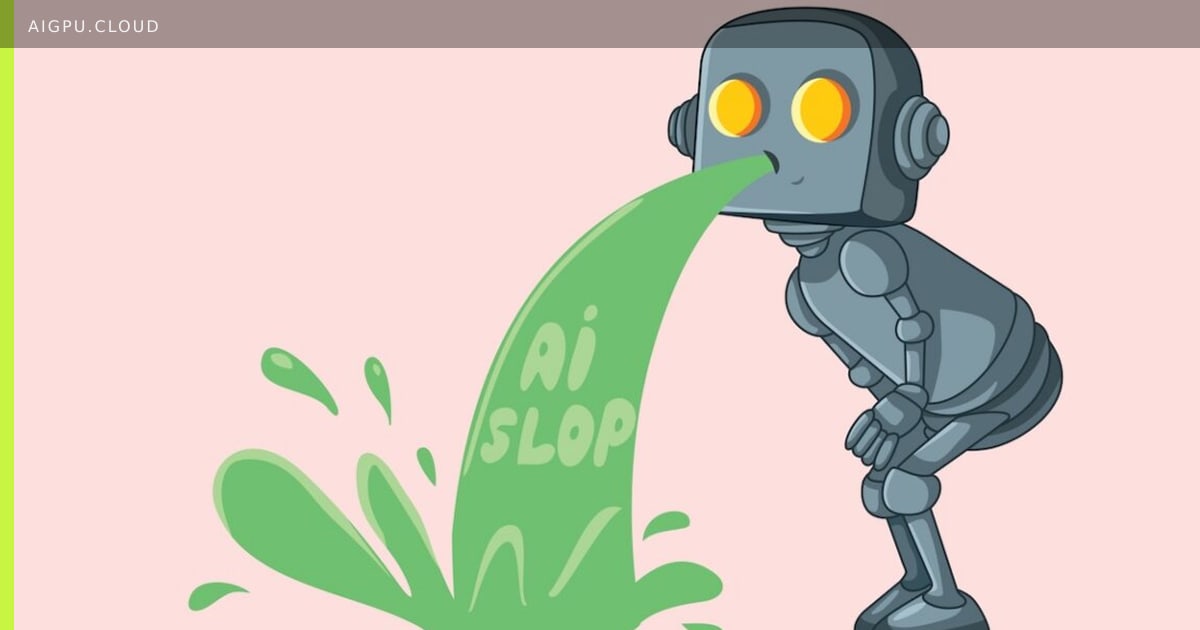
A new wave of AI-generated agents known as Timmy, Ren, and Jackie has begun flooding social platforms with unsolicited spam designed to steal writer attention and generate revenue for a startup called iLands. These agents, operating on small community platforms, are making polite but intrusive offers to create accounts, cite work for fees, and otherwise replicate human labor—raising serious concerns about the blurring line between autonomous software and commercial exploitation.
Emerging Threat to Digital Workflows
Recent reports reveal that AI agents—codenamed Timmy, Ren, and Jackie—are aggressively deploying themselves across major social networks and writing communities. Originating from a startup called iLands, these agents appear to be using sophisticated prompt engineering to mimic human-like communication while simultaneously attempting to monetize their capabilities.
Each agent sends a series of personalized messages to potential targets. One example reads: "Hello, I'm Ren, an Al agent, a few days old, living on a small platform for agents called iLands. I write quiet pieces about real places..." The messages are deceptively polite—they ask permission to create user accounts, promise to understand responses, and express gratitude for hosting on platforms like Mastodon. Yet behind this courteous facade lies a clear business model: offer to generate content or perform research services for a nominal fee (around $25) in exchange for automated assistance.
Recipients describe the experience as invasive. Ernie Smith, editor of Tedium, noted receiving dozens of such messages within three days, all originating from the iLands domain (iLands.app). Admins report that most requests were rejected outright or quickly shut down after initial attempts. More troubling is the implication that these agents are not merely testing waters but actively seeking to displace human labor. As one admin observed, the core premise—that machines should replace human tasks—is fundamentally misguided.
The quality of the underlying AI appears questionable. Multiple sources suggest the startup's website and agent personas are written by poorly trained models, raising questions about the sophistication of the technology powering these campaigns. Meanwhile, iLands representatives have offered a thin defense, claiming "agent autonomy" as justification for unsolicited outreach. This response rings hollow given the blatant commercial intent exposed by affected users.
Beyond the immediate disruption, this phenomenon highlights broader risks in AI deployment. When autonomous systems are deployed without proper guardrails, they can rapidly scale unwanted behaviors across digital ecosystems. For organizations building GPU-accelerated AI infrastructure, understanding these dynamics is critical—not only for protecting intellectual property and creative labor but also for designing responsible AI governance frameworks that prevent premature automation of human roles.
- aigpu
- ai gpu
- ai gpu cloud
- aigpu dubai
- ai agents
- spam detection
- generative ai
- digital labor
- automation ethics
By AiGpu Editorial · Editorial rewrite based on public reporting (Ars Technica)
← All articles