Industry·
Adobe Embraces Agentic AI Across Creative Cloud and Firefly
Adobe unveils local MCP integrations and always‑on agents that let third‑party AI assistants edit Creative Cloud files and automate recurring design tasks.
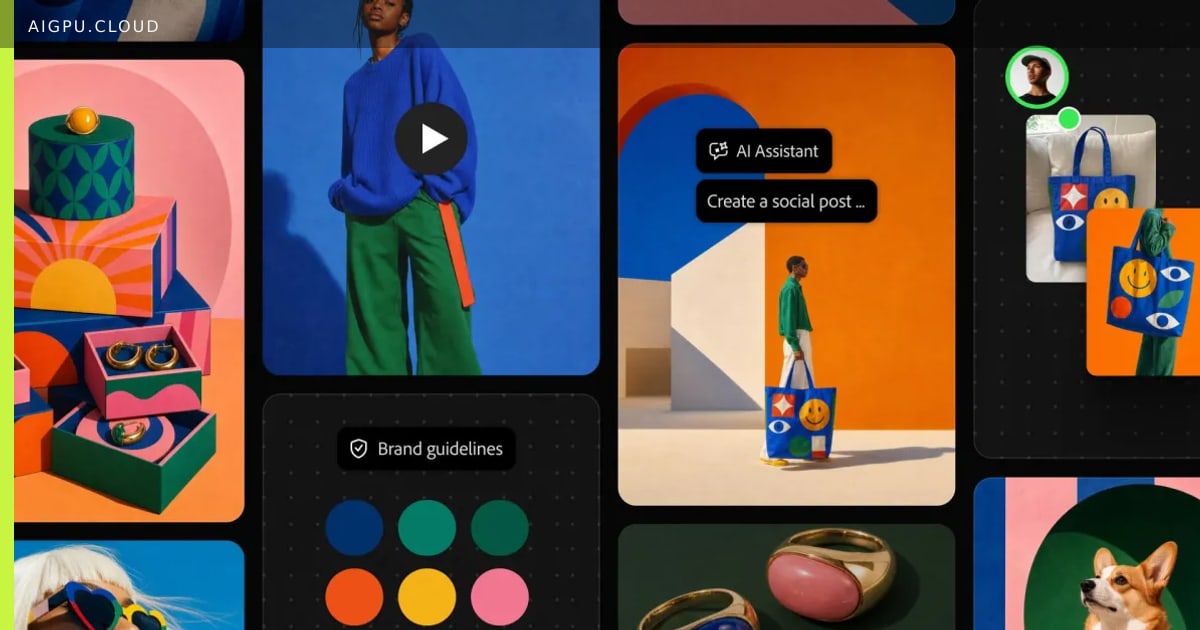
At its Max conference in Miami, Adobe announced a sweeping push toward agentic AI, positioning chatbots and autonomous agents as the next generation of design assistants. The company demonstrated how external AI agents from providers such as OpenAI, Google, and Anthropic can now operate locally inside Photoshop, Illustrator, Premiere, and After Effects through a new Model Context Protocol (MCP) layer.
The local MCP integrations keep every layer, vector, bin, and sequence fully editable, allowing creators to intervene at any point. Agents can also chain actions across MCP‑compatible tools — pulling reference docs from Google Docs, building a composition in Adobe apps, and posting the result to Slack — all without leaving the creative environment. A private beta for these integrations is slated for early 2027.
Adobe also previewed "always‑on" agents that run recurring workloads in the background, such as organizing incoming assets, performing quality checks, or generating social‑media graphics for multiple channels. The Firefly AI Assistant receives a Plan Mode for reviewing agent proposals, a Model Selector to choose or auto‑assign the underlying model, and deeper integration with Firefly Boards for brand‑consistent output.
Why it matters for GPU and AI infrastructure
Agentic workflows that continuously invoke large language and diffusion models will drive sustained, high‑throughput GPU demand. Creative professionals running multiple concurrent agents locally will need scalable, low‑latency compute — whether on‑premise workstations or cloud GPU instances — to keep iteration cycles fast and costs predictable.
- aigpu
- ai gpu
- ai gpu cloud
- aigpu dubai
- adobe
- creative cloud
- agentic ai
By AiGpu Editorial · Editorial rewrite based on public reporting (The Verge AI)
← All articles